
185 60 R14 Tire Air Pressure
Understanding 185 60 R14 Tire Air Pressure for Optimal Performance Maintaining the correct tire air pressure is crucial for your vehicle’s safety, performance, and fuel efficiency. For tires labeled ‘185 60 R14’, understanding the recommended pressure and the factors influencing it is essential. This comprehensive guide will provide you with...


- 1. Understanding 185 60 R14 Tire Air Pressure for Optimal Performance
- 2. Decoding the 185 60 R14 Tire Size
- 3. The Importance of Correct Tire Air Pressure
- 4. Recommended Tire Pressure Values for 185/60R14
- 1. Determining the Ideal Air Pressure for Your 185 60 R14 Tires
- 1.1. Consulting Your Vehicle’s Tire Placard and Owner’s Manual
- 1.2. General Guidelines for 185 60 R14 Tire Pressure
- 1.3. Factors Affecting Tire Air Pressure
- 1.3.1. Load
- 1.3.2. Temperature
- 1.3.3. Driving Conditions
- 1.3.4. Tire Type
- 2. Checking and Maintaining Your 185 60 R14 Tire Air Pressure
- 2.1. Using a Tire Pressure Gauge
- 2.2. When to Check Your Tire Pressure
- 2.3. Adding Air to Your Tires
- 2.4. Releasing Air from Your Tires
- 3. Troubleshooting Common Tire Pressure Issues
- 3.1. Low Tire Pressure
- 3.2. High Tire Pressure
- 3.3. Uneven Tire Wear
- 4. Tire Pressure Monitoring Systems (TPMS)
- 4.1. Understanding TPMS Warnings
- 5. The Long-Term Benefits of Maintaining Proper 185 60 R14 Tire Pressure
- 5.1. Optimized Fuel Economy
- 5.2. Reduced Tire Wear and Tear
- 5.3. Enhanced Handling and Braking Performance
- 5.4. Improved Ride Comfort
- 5.5. Reduced Risk of Tire Failure
- 5.6. Cost Savings Over Time
- 5.7. Environmental Benefits
Understanding 185 60 R14 Tire Air Pressure for Optimal Performance
Decoding the 185 60 R14 Tire Size
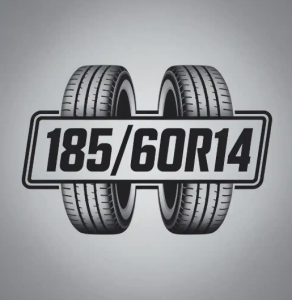
Before diving into air pressure, let’s break down what the ‘185 60 R14’ designation means:
- 185: This number indicates the tire’s section width in millimeters. In this case, the tire is 185mm wide.
- 60: This is the aspect ratio, representing the height of the tire’s sidewall as a percentage of its width. Here, the sidewall height is 60% of 185mm.
- R: This letter signifies that the tire has a radial construction.
- 14: This number represents the wheel diameter in inches, indicating that this tire is designed for a 14-inch wheel.
The Importance of Correct Tire Air Pressure
Proper tire inflation offers numerous benefits:
- Enhanced Safety: Correctly inflated tires provide better handling, braking, and stability, reducing the risk of accidents.
- Improved Fuel Efficiency: Underinflated tires increase rolling resistance, forcing your engine to work harder and consume more fuel.
- Extended Tire Life: Proper inflation ensures even wear across the tire’s tread, maximizing its lifespan.
- Optimal Ride Comfort: Correctly inflated tires contribute to a smoother and more comfortable ride.
Recommended Tire Pressure Values for 185/60R14
| Driving Conditions | Front Tire | Rear Tire |
|---|---|---|
| Summer – Normal Load | 32 psi / 2.2 bar | 30 psi / 2.1 bar |
| Summer – Full Load | 34 psi / 2.3 bar | 32 psi / 2.2 bar |
| Summer – Long Distance | 33 psi / 2.25 bar | 31 psi / 2.15 bar |
| Winter – Normal Load | 30 psi / 2.1 bar | 28 psi / 2.0 bar |
| Winter – Full Load | 32 psi / 2.2 bar | 30 psi / 2.1 bar |
| Winter – The Long Haul | 31 psi / 2.15 bar | 29 psi / 2.05 bar |
Determining the Ideal Air Pressure for Your 185 60 R14 Tires
Finding the correct air pressure for your 185 60 R14 tires is not a one-size-fits-all solution. Several factors influence the ideal PSI (pounds per square inch).
Consulting Your Vehicle’s Tire Placard and Owner’s Manual
The most reliable source for the recommended tire pressure is your vehicle’s tire placard. This sticker is usually located on the driver’s side doorjamb, glove compartment door, or fuel filler door. It provides the manufacturer’s recommended PSI for both the front and rear tires. Your owner’s manual will also contain this information.
Important Note: The pressure listed on the tire sidewall is the *maximum* pressure the tire can handle, not the recommended operating pressure. Always follow the vehicle manufacturer’s recommendations.
General Guidelines for 185 60 R14 Tire Pressure
While the tire placard is the best source, a general guideline for 185 60 R14 tires is typically between 30 and 35 PSI. However, this is just a starting point. Always refer to your vehicle’s specific recommendations.
Factors Affecting Tire Air Pressure
Several factors can influence the ideal tire pressure for your 185 60 R14 tires:
Load
If you frequently carry heavy loads in your vehicle, you may need to increase the tire pressure slightly to compensate. Consult your owner’s manual for specific recommendations based on load weight.
Temperature
Tire pressure fluctuates with temperature. As the temperature drops, tire pressure decreases, and vice versa. For every 10-degree Fahrenheit (5.6-degree Celsius) change in temperature, tire pressure changes by approximately 1 PSI. Check your tire pressure more frequently during seasonal changes.
Driving Conditions
Aggressive driving, such as frequent hard braking or cornering, can increase tire temperature and pressure. Consider adjusting your tire pressure slightly if you regularly engage in such driving habits.
Tire Type
Different tire types, such as summer, winter, or all-season tires, may have slightly different recommended pressures. Refer to the tire manufacturer’s recommendations for specific guidelines.
Checking and Maintaining Your 185 60 R14 Tire Air Pressure
Regularly checking and maintaining your tire air pressure is crucial for safety and performance. Here’s how to do it:
Using a Tire Pressure Gauge
Invest in a reliable tire pressure gauge. Digital gauges are generally more accurate than analog gauges. To check your tire pressure:
- Remove the valve cap from the tire valve stem.
- Press the tire pressure gauge firmly onto the valve stem.
- Read the pressure displayed on the gauge.
- Compare the reading to the recommended pressure on your vehicle’s tire placard.
- Add or release air as needed to reach the correct pressure.
- Replace the valve cap.
When to Check Your Tire Pressure
Check your tire pressure at least once a month, and more frequently during significant temperature changes. Always check your tire pressure when the tires are cold, meaning they haven’t been driven on for at least three hours. Driving heats up the tires and increases the air pressure, giving you an inaccurate reading.
Adding Air to Your Tires
You can add air to your tires at most gas stations or auto repair shops. Many gas stations have air compressors available for public use. To add air:
- Remove the valve cap.
- Attach the air hose to the valve stem.
- Use the air compressor to add air in short bursts, checking the pressure with your gauge after each burst.
- Stop when you reach the recommended pressure.
- Replace the valve cap.
Releasing Air from Your Tires
If your tires are overinflated, you can release air by pressing the small pin in the center of the valve stem with a tire pressure gauge or a similar tool. Release air in short bursts, checking the pressure with your gauge after each burst, until you reach the recommended pressure.
Troubleshooting Common Tire Pressure Issues
Low Tire Pressure
Low tire pressure can be caused by several factors, including:
- Punctures or Leaks: Check your tires for any visible punctures or leaks. If you find a leak, have it repaired by a professional.
- Temperature Changes: As mentioned earlier, tire pressure decreases in cold weather.
- Natural Air Loss: Tires naturally lose a small amount of air over time.
High Tire Pressure
High tire pressure is typically caused by:
- Temperature Changes: Tire pressure increases in hot weather.
- Overinflation: Accidentally adding too much air to your tires.
Uneven Tire Wear
Uneven tire wear can be a sign of improper tire inflation. Underinflation often leads to wear on the outer edges of the tire, while overinflation can cause wear in the center of the tire. Regularly checking and maintaining your tire pressure can help prevent uneven wear and extend the life of your tires.
Tire Pressure Monitoring Systems (TPMS)
Many modern vehicles are equipped with Tire Pressure Monitoring Systems (TPMS). These systems automatically monitor tire pressure and alert you if the pressure drops below a certain threshold. While TPMS is a valuable safety feature, it’s still important to manually check your tire pressure regularly to ensure accuracy.
Understanding TPMS Warnings
If your TPMS light illuminates, it indicates that one or more of your tires has low pressure. Check your tire pressure immediately and inflate the tires to the recommended pressure. Once you’ve inflated the tires, the TPMS light should turn off. If the light remains on after inflating the tires, there may be a problem with the TPMS sensor or the tire itself.
The Long-Term Benefits of Maintaining Proper 185 60 R14 Tire Pressure
Consistently maintaining the correct air pressure in your 185 60 R14 tires provides lasting advantages that go beyond just immediate safety. These benefits contribute to the overall health and longevity of your vehicle, saving you money and ensuring a smoother, more reliable driving experience.
Optimized Fuel Economy
As previously mentioned, underinflated tires increase rolling resistance, forcing your engine to work harder and consume more fuel. By keeping your tires properly inflated, you can significantly improve your vehicle’s fuel economy, saving you money at the pump over time. This is especially important for drivers who commute long distances or frequently use their vehicles.
Reduced Tire Wear and Tear
Consistent proper inflation ensures that the weight of your vehicle is distributed evenly across the tire’s tread. This prevents uneven wear patterns, such as excessive wear on the edges (due to underinflation) or the center (due to overinflation). By minimizing uneven wear, you can extend the lifespan of your 185 60 R14 tires, saving you the cost of premature replacement.
Enhanced Handling and Braking Performance
Correctly inflated tires provide optimal contact with the road surface, resulting in improved handling and braking performance. This is crucial for maintaining control of your vehicle in various driving conditions, such as wet or slippery roads. With proper tire pressure, you can experience more responsive steering, shorter braking distances, and increased stability, enhancing your overall driving safety.
Improved Ride Comfort
Properly inflated tires contribute to a smoother and more comfortable ride. When tires are underinflated, they tend to absorb more of the road’s imperfections, resulting in a bumpier and less comfortable driving experience. By maintaining the recommended tire pressure, you can minimize vibrations and enjoy a smoother, more enjoyable ride, especially on long journeys.
Reduced Risk of Tire Failure
Underinflated tires are more susceptible to damage from road hazards, such as potholes and debris. The increased flexing of the tire sidewalls can generate excessive heat, leading to tire failure. By keeping your tires properly inflated, you can reduce the risk of tire damage and failure, ensuring your safety and preventing costly repairs.
Cost Savings Over Time
While the immediate benefits of proper tire inflation are evident, the long-term cost savings can be substantial. By optimizing fuel economy, extending tire lifespan, and reducing the risk of tire failure, you can save a significant amount of money over the life of your vehicle. These savings can add up over time, making proper tire maintenance a worthwhile investment.
Environmental Benefits
Maintaining proper tire pressure also contributes to environmental sustainability. Improved fuel economy reduces your vehicle’s carbon emissions, helping to minimize your environmental impact. By keeping your tires properly inflated, you can play a part in creating a cleaner and more sustainable future.
In conclusion, understanding and maintaining the correct air pressure for your 185 60 R14 tires is a fundamental aspect of vehicle ownership. By regularly checking and adjusting your tire pressure based on the factors discussed, you can ensure your safety, optimize your vehicle’s performance, and save money in the long run. Always consult your vehicle’s tire placard and owner’s manual for the most accurate recommendations, and make tire pressure maintenance a regular part of your vehicle care routine. A little attention to your tires can make a big difference in your driving experience.

Related Posts


Comments
-
maցnificent issues altogether, you just received a brand new
reader. What would you suggest in regarⅾs to your put up thаt you just made
some days in the past? Any certaіn?
