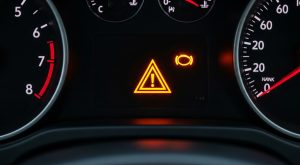
All Fiat Instrument Panel Symbol Lights and Their Meanings: Quick Reference Chart
The instrument panel of your Fiat is the central communication hub between you and your vehicle’s complex systems. When a symbol illuminates, it’s delivering a critical message—one that could range from a simple operational confirmation to an urgent warning requiring immediate mechanical attention. Understanding these symbols is not just about...


The instrument panel of your Fiat is the central communication hub between you and your vehicle’s complex systems. When a symbol illuminates, it’s delivering a critical message—one that could range from a simple operational confirmation to an urgent warning requiring immediate mechanical attention. Understanding these symbols is not just about maintenance; it’s essential for safety and preserving the longevity of your Italian-engineered machine. For every Fiat owner, having a clear, accessible guide to the multitude of icons is invaluable.
- 1. Understanding the Language of Your Fiat’s Dashboard
- 1.1. The Importance of Color: Red, Amber, and Green
- 2. Critical Red Warnings: Immediate Action Required
- 2.1. Engine and Performance Indicators
- 2.1.1. Oil Pressure Warning
- 2.1.2. Engine Coolant Temperature Warning
- 2.1.3. Battery Charging Fault
- 2.2. Braking and Safety System Alerts
- 2.2.1. Brake System Warning (Handbrake/Fluid Level)
- 2.2.2. Airbag System Fault (SRS)
- 3. Amber/Yellow Alerts: Caution and Monitoring
- 3.1. Powertrain and Emission Lights
- 3.1.1. Check Engine Light (MIL – Malfunction Indicator Lamp)
- 3.1.2. ASR/ESP System Failure
- 3.1.3. Glow Plug Indicator (Diesel Models)
- 3.2. Maintenance and Monitoring Indicators
- 3.2.1. TPMS (Tire Pressure Monitoring System)
- 3.2.2. Low Fuel/Fuel Cap Warning
- 3.2.3. Service Due/Scheduled Maintenance
- 4. Green and Blue Indicators: Status and Function
- 4.1. Standard Operational Lights
- 4.2. Advanced Feature Indicators
- 4.2.1. CITY Mode Indicator
- 4.2.2. Cruise Control Indicator
- 5. Comprehensive Reference Chart: Fiat Instrument Panel Symbol Lights and Their Meanings
- 6. Troubleshooting Common Fiat Dashboard Warning Lights
- 6.1. What to Do When the Check Engine Light Flashes
- 6.2. Addressing TPMS and Low Tire Pressure
This comprehensive guide serves as your definitive quick reference chart, breaking down all the relevant Fiat Instrument Panel Symbol Lights and Their Meanings. We will categorize these symbols by color and function, providing detailed explanations for the most common and critical indicators found across popular models like the Fiat 500, Panda, Tipo, and Punto. By the time you finish this article, you will be able to instantly recognize whether that glowing icon signals a minor inconvenience or an emergency stop.
Ignoring a dashboard light can lead to severe engine damage, reduced efficiency, or even catastrophic component failure. Knowledge is power, especially when dealing with the advanced diagnostics built into modern Fiat vehicles. Let’s dive into the essential language of your dashboard.

Understanding the Language of Your Fiat’s Dashboard
Fiat’s warning system uses standardized iconography and color coding derived from international automotive regulations. Before examining individual symbols, it is crucial to understand the hierarchy of these warnings, which is primarily dictated by the color of the illuminated light.
The Importance of Color: Red, Amber, and Green
The color of the light provides an immediate indication of the severity of the issue, helping you prioritize your response:
- Red Lights (Danger/Immediate Action): These are the most critical warnings. A red light signifies a serious malfunction that poses an immediate risk to safety, vehicle operation, or severe component damage. If a red light illuminates, you should stop the vehicle safely as soon as possible and investigate.
- Amber or Yellow Lights (Caution/Advisory): These lights indicate a less critical issue, such as a fault that requires attention soon, a system that is deactivated, or a condition that may affect performance or emissions. While not always an emergency, these must be addressed promptly.
- Green or Blue Lights (Information/Status): These are purely informational, confirming that a specific system (like headlights, turn signals, or cruise control) is active and functioning correctly.
Critical Red Warnings: Immediate Action Required
When you see a red light, your Fiat is telling you there is a potentially dangerous situation. These symbols often relate to fundamental safety features, braking systems, and core engine lubrication/cooling. Recognizing these Fiat Instrument Panel Symbol Lights and Their Meanings quickly is paramount.
Engine and Performance Indicators
These red symbols warn of failures in systems vital to the engine’s survival.
Oil Pressure Warning
Symbol: An oil can icon, often with a drip coming out.
Meaning: This light indicates critically low engine oil pressure, not necessarily just low oil level. Low pressure means the engine is not being lubricated sufficiently, leading to immediate metal-on-metal friction. Continuing to drive will cause catastrophic engine failure. Stop immediately, switch off the engine, and check the oil level. If the level is correct, the oil pump or pressure sensor has failed, and the vehicle requires towing.
Engine Coolant Temperature Warning
Symbol: A thermometer submerged in liquid, sometimes with wavy lines underneath.
Meaning: The engine is overheating. This could be due to low coolant levels, a faulty thermostat, or a failed cooling fan. Overheating can warp the cylinder head and damage the head gasket. Stop the vehicle immediately and allow the engine to cool before checking the coolant reservoir. Never open the radiator cap while the engine is hot.
Battery Charging Fault
Symbol: A battery icon, sometimes with ‘+’ and ‘-‘ signs.
Meaning: This indicates a failure in the charging system, usually the alternator or the serpentine belt that drives it. The car is currently running only on battery power. Since the battery charge will deplete quickly, you have limited time before the car shuts down. Minimize electrical use (radio, AC) and drive directly to a service center if safe to do so, or pull over and arrange for service.
Braking and Safety System Alerts
These lights relate directly to your ability to stop the vehicle safely.
Brake System Warning (Handbrake/Fluid Level)
Symbol: An exclamation mark inside a circle, often with parentheses around it (P in some models).
Meaning: This light has two primary functions. First, it illuminates when the parking brake is engaged. Second, if the parking brake is released and the light remains on, it signals a serious fault, typically critically low brake fluid level or a malfunction within the hydraulic brake system. Low brake fluid means worn pads or a leak. Do not drive the vehicle; braking capability is severely compromised.
Airbag System Fault (SRS)
Symbol: A seated person with a filled circle (the airbag) in front of them.
Meaning: The Supplemental Restraint System (SRS) has detected a fault. This means that in the event of an accident, the airbags or seatbelt pretensioners may not deploy. While the car is mechanically safe to drive, the protection system is compromised. Seek professional diagnosis immediately.
Amber/Yellow Alerts: Caution and Monitoring
Amber warnings advise caution and usually require professional attention soon, but generally do not demand an immediate stop. These lights cover complex electronic systems and maintenance issues.
Powertrain and Emission Lights
These symbols often point to issues affecting performance, fuel economy, or environmental compliance.
Check Engine Light (MIL – Malfunction Indicator Lamp)
Symbol: An outline of an engine block.
Meaning: This is arguably the most common and ambiguous of all Fiat Instrument Panel Symbol Lights and Their Meanings. It indicates that the On-Board Diagnostics (OBD) system has detected an irregularity in the engine, emissions, or transmission system.
- Solid Light: Usually indicates a minor fault, such as a loose gas cap (common in Fiat models), a failing sensor (like an O2 sensor), or minor component degradation. Schedule service soon.
- Flashing Light: Indicates a severe engine misfire. Unburned fuel is likely entering the catalytic converter, causing rapid, expensive damage. Stop driving immediately to prevent converter meltdown and severe engine harm.
ASR/ESP System Failure
Symbol: A car skidding, often with the text ‘ASR’ or ‘ESP’.
Meaning: If this light illuminates steadily, the Electronic Stability Program (ESP) or Anti-Slip Regulation (ASR) system is deactivated or malfunctioning. These systems are crucial for maintaining traction and control during slippery conditions or sudden maneuvers. While the car is driveable, exercise extreme caution, especially in adverse weather. If the light is flashing, it means the system is currently active and intervening to prevent wheel spin.
Glow Plug Indicator (Diesel Models)
Symbol: A coiled filament resembling a spring.
Meaning: In diesel Fiat models, this light illuminates when the ignition is switched on, indicating the glow plugs are heating the combustion chambers prior to starting. It should extinguish after a few seconds. If it flashes or remains on after the engine starts, it indicates a fault in the glow plug system, which can cause starting difficulties, especially in cold weather.
Maintenance and Monitoring Indicators
These lights assist in routine maintenance and monitoring.
TPMS (Tire Pressure Monitoring System)
Symbol: A flat tire cross-section with an exclamation mark inside.
Meaning: Indicates that one or more tires are significantly underinflated (typically 25% below recommended pressure). Low pressure is dangerous, increasing the risk of a blowout and decreasing fuel efficiency. Check all tire pressures and inflate them to the specifications listed on the driver’s side door jamb. If the light flashes upon startup, the TPMS sensor itself is likely faulty.
Low Fuel/Fuel Cap Warning
Symbol: A gas pump icon.
Meaning: The fuel level in the tank is low and requires immediate refueling. In some newer Fiat models, this light may also flash or be accompanied by a specific text warning if the fuel cap is loose or missing, which affects the emissions system (leading to a potential Check Engine Light trigger).
Service Due/Scheduled Maintenance
Symbol: Often a wrench or spanner icon.
Meaning: This light indicates that the vehicle is due for routine scheduled maintenance, often based on mileage or time since the last service. It is a reminder, not a critical fault, but should be addressed soon to maintain warranty and performance.
Green and Blue Indicators: Status and Function
These symbols confirm that a feature you have activated is currently running. They are generally not cause for concern.
Standard Operational Lights
- Turn Signals: Green arrows pointing left or right, confirming indicator use.
- High Beam Headlights: A blue symbol resembling a headlight with straight lines extending horizontally.
- Low Beam Headlights: A green symbol resembling a headlight with downward-sloping lines.
Advanced Feature Indicators
Fiat models often include specific feature indicators:
CITY Mode Indicator
Symbol: The word ‘CITY’.
Meaning: Common in Fiat 500 and Panda models, this green light confirms that the CITY driving mode has been activated. This mode significantly increases power steering assistance, making parking and low-speed maneuvering easier.
Cruise Control Indicator
Symbol: Often a speedometer icon with an arrow or the word ‘CRUISE’.
Meaning: Confirms that the cruise control system is active and engaged, maintaining a set speed.
Comprehensive Reference Chart: Fiat Instrument Panel Symbol Lights and Their Meanings
To provide the quickest possible reference, the table below summarizes the most common and critical Fiat Instrument Panel Symbol Lights and Their Meanings across the Fiat family of vehicles.
| Symbol Description | Color | Meaning & Action Required | Severity |
|---|---|---|---|
| Oil Can | Red | Low Engine Oil Pressure. Stop vehicle immediately, turn off engine, check level. | Critical (Stop Now) |
| Battery Icon | Red | Alternator/Charging System Failure. Drive only to a safe stopping point or service center if nearby. | High |
| Exclamation Mark in Circle (Brake) | Red | Handbrake engaged OR Low Brake Fluid/Brake System Fault. Check handbrake; if light persists, do not drive. | Critical (Stop Now) |
| Thermometer/Liquid | Red | Engine Overheating. Stop immediately and allow the engine to cool. | Critical (Stop Now) |
| Engine Outline (Solid) | Amber/Yellow | Malfunction Indicator Lamp (Check Engine). General engine/emissions fault. Schedule service soon. | Moderate (Service Soon) |
| Engine Outline (Flashing) | Amber/Yellow | Severe Engine Misfire. Stop immediately to prevent catalytic converter damage. | Critical (Stop Now) |
| Tire Cross-Section (!) | Amber/Yellow | Low Tire Pressure (TPMS). Check and adjust tire pressures immediately. | Moderate |
| Car Skidding Icon | Amber/Yellow | ESP/ASR System Failure or Deactivation. Drive cautiously, especially in poor conditions. | Moderate |
| Airbag Icon (Seated Person) | Red | Airbag/SRS Fault. Safety system compromised. Seek repair immediately. | High |
| Coiled Filament (Diesel) | Amber/Yellow | Glow Plug System Fault. May cause starting difficulty. Schedule diagnosis. | Low/Moderate |
| Wrench/Spanner | Amber/Yellow | Service Due Reminder. Schedule routine maintenance. | Low |
| Steering Wheel with Exclamation Mark | Red or Yellow | Power Steering System Fault. Steering may become very heavy. Seek immediate service. | High |
Troubleshooting Common Fiat Dashboard Warning Lights
While the detailed chart above covers most scenarios, certain lights trigger frequently on Fiat vehicles. Knowing the initial troubleshooting steps can save you time and potential towing costs.
What to Do When the Check Engine Light Flashes
A flashing Check Engine Light (MIL) is a severe warning unique to major misfires. If your Fiat is experiencing this, it means the combustion process is failing, often due to ignition coil failure, spark plug issues, or serious fuel system problems. The unburned fuel enters the exhaust system, causing the catalytic converter temperature to spike dangerously high. If this happens:
- Immediately reduce speed and load on the engine.
- Pull over to the side of the road safely.
- Switch off the engine.
- Do not attempt to drive long distances. Arrange for towing to a qualified Fiat specialist.
Addressing TPMS and Low Tire Pressure
The TPMS light (the flat tire symbol) often stays illuminated even after you have inflated the tires. This usually requires a manual reset or a short drive cycle:
- Step 1: Ensure all four tires (and the spare, if applicable and monitored) are inflated to the exact pressure specified on the driver’s side door sticker.
- Step 2: Drive the vehicle for 10–20 minutes at a speed above 30 mph. Many Fiat systems require this duration to recalibrate the sensors and turn the light off.
- Step 3: If the light remains on or flashes, there is likely a faulty sensor (often due to battery depletion within the sensor itself), requiring replacement by a technician.
Being familiar with these Fiat Instrument Panel Symbol Lights and Their Meanings empowers you to make informed decisions regarding your vehicle’s health. Whether it’s the simple reminder of low fuel or the critical alarm of low oil pressure, your Fiat’s dashboard is constantly communicating its needs. Regular vigilance and prompt action based on the severity indicated by the light color will ensure your Fiat remains reliable, efficient, and safe on the road. Always consult your specific Fiat model’s owner’s manual for exact symbol variations and detailed troubleshooting procedures.
Mastering the language of these indicator lights is key to proactive maintenance, allowing you to address minor issues before they escalate into costly repairs. Keep this quick reference guide handy, and you’ll always be prepared to respond correctly when your Fiat speaks to you.

Related Posts

Comments have been disabled.