Mercedes Axor 1840 Fault Indicators
The Mercedes-Benz Axor series has long been a cornerstone of heavy-duty transport, renowned for its reliability, efficiency, and robust engineering. Among its various configurations, the Mercedes Axor 1840 stands out as a powerful and versatile workhorse. However, even the most meticulously engineered vehicles require vigilant maintenance. Understanding the various Mercedes...


The Mercedes-Benz Axor series has long been a cornerstone of heavy-duty transport, renowned for its reliability, efficiency, and robust engineering. Among its various configurations, the Mercedes Axor 1840 stands out as a powerful and versatile workhorse. However, even the most meticulously engineered vehicles require vigilant maintenance. Understanding the various Mercedes Axor 1840 Fault Indicators is crucial for fleet managers and owner-operators aiming to maximize uptime and minimize costly breakdowns. This comprehensive guide delves deep into the diagnostic landscape of the Axor 1840, ensuring you can quickly identify, interpret, and address warning signs before they escalate.
- 1. Understanding the Mercedes Axor 1840 Instrument Cluster
- 1.1. Illumination and Severity Levels
- 2. Key Powertrain Fault Indicators on the Axor 1840
- 2.1. Engine Management System Warnings
- 2.1.1. Malfunction Indicator Lamp (MIL) – Check Engine Light
- 2.1.2. Oil Pressure Warning
- 2.1.3. Coolant Temperature Warning
- 2.2. Transmission and Drivetrain Indicators
- 2.2.1. Transmission Fault Light
- 2.2.2. Retarder/Intarder System Faults
- 3. Braking System: Safety Critical Mercedes Axor 1840 Fault Indicators
- 3.1. Air Pressure Warnings
- 3.2. Electronic Braking System (EBS) Errors
- 4. Emissions Control System Indicators
- 4.1. Diesel Particulate Filter (DPF) Warnings
- 4.2. AdBlue/SCR System Faults
- 5. Chassis and Suspension Fault Indicators
- 5.1. Tire Pressure Monitoring System (TPMS)
- 5.2. Electronic Stability Program (ESP) and Traction Control
- 5.3. Air Suspension Faults
- 6. Interpreting Diagnostic Trouble Codes (DTCs)
- 6.1. The Role of Diagnostic Tools
- 7. Preventative Maintenance and Fault Minimization
- 7.1. Fluid Management
- 7.2. Electrical System Integrity
- 7.3. Sensor Care
Understanding the Mercedes Axor 1840 Instrument Cluster
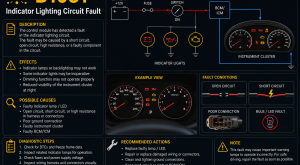
The primary interface for monitoring the health of your Mercedes Axor 1840 is the instrument cluster. This sophisticated panel houses an array of warning lights, gauges, and digital displays that communicate critical operational statuses. Recognizing the difference between a mere advisory notification and a severe fault indicator is the first step toward effective diagnostics.
Illumination and Severity Levels
Mercedes-Benz employs a standardized color-coding system for fault indicators, which is essential knowledge for any Axor operator:
- Red Indicators: These signify a critical fault requiring immediate attention. Continuing to operate the vehicle under a red warning light risks severe damage or safety compromise.
- Amber/Yellow Indicators: These indicate a less urgent issue that needs attention soon. While immediate shutdown might not be necessary, the fault must be investigated during the next scheduled break or service interval.
- Green/Blue Indicators: These are generally status lights (e.g., headlights on, cruise control engaged) and do not typically denote a fault.
Key Powertrain Fault Indicators on the Axor 1840
The engine and transmission form the heart of the Mercedes Axor 1840. Failures in these systems are often signaled through distinct dashboard warnings.
Engine Management System Warnings
The electronic engine control unit (ECU) constantly monitors hundreds of parameters. When an anomaly is detected, the system triggers indicators related to the engine’s performance and emissions.
Malfunction Indicator Lamp (MIL) – Check Engine Light
This is perhaps the most recognized of all Mercedes Axor 1840 Fault Indicators. If the MIL illuminates, it signifies an issue detected by the ECU. Depending on how it illuminates—steady or flashing—the severity changes:
- Steady MIL: Indicates a non-critical emissions or performance issue that requires diagnostic scanning soon.
- Flashing MIL: This is serious. It usually points to a severe engine misfire that could rapidly damage the catalytic converter or DPF (Diesel Particulate Filter). Stop driving immediately if the light flashes.
Oil Pressure Warning
A red oil can symbol demands immediate action. Low oil pressure can lead to catastrophic engine failure within minutes. Check the dipstick level if safe, but if the light persists after confirming adequate oil, shut down the engine immediately.
Coolant Temperature Warning
An overheating engine, symbolized by a thermometer in liquid, indicates that the cooling system is failing or overloaded. High temperatures can warp cylinder heads. Pull over safely and allow the engine to cool before checking coolant levels.
Transmission and Drivetrain Indicators
The automated or manual transmission in the Axor 1840 is linked to the vehicle’s central diagnostic system. Transmission faults can severely impact drivability and fuel economy.
Transmission Fault Light
If an amber light appears on the transmission display panel (often showing gear selection), it indicates a problem within the electronic shifting mechanism or hydraulic system. The truck may enter ‘limp mode’ to protect itself.
Retarder/Intarder System Faults
For heavy-duty models equipped with auxiliary braking systems, dedicated indicators will alert the driver if the retarder system overheats or suffers an electronic malfunction, often showing up as an amber warning related to braking performance.
Braking System: Safety Critical Mercedes Axor 1840 Fault Indicators
The air brake system is paramount for safety. The Axor 1840 uses complex pneumatic and electronic controls, generating several crucial warnings.
Air Pressure Warnings
This is arguably the most critical set of indicators on any heavy truck. Low air pressure compromises braking effectiveness:
| Indicator | Color | Meaning | Action Required |
|---|---|---|---|
| Low Air Pressure Warning (Red) | Red | Air reservoir pressure below safe operating limit (usually below 60 psi). | Stop immediately and safely. Do not attempt to move the truck until pressure builds or the fault is resolved. |
| Brake Pad Wear Indicator | Amber | Brake pad material has worn down to the minimum safe thickness. | Schedule replacement soon; monitor braking performance closely. |
| Trailer Brake Connection Fault | Amber | Issue detected with the connection or pressure supply to the trailer brakes. | Check gladhands and ensure proper coupling before driving. |
Electronic Braking System (EBS) Errors
Modern Axor trucks utilize EBS, which integrates ABS and traction control. An EBS fault light (often a generic warning symbol with an exclamation mark) means the electronic monitoring system is compromised. While the basic hydraulic/pneumatic system might still function, advanced features like anti-lock braking may be disabled.
Emissions Control System Indicators
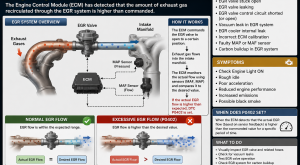
Meeting modern emissions standards is vital. The Mercedes Axor 1840 relies heavily on Selective Catalytic Reduction (SCR) systems, DPFs, and Exhaust Gas Recirculation (EGR).
Diesel Particulate Filter (DPF) Warnings
The DPF system manages soot accumulation. Its indicators are often tied directly to the MIL but can have specific related warnings:
- DPF Regeneration Required: An amber light indicating the filter is saturated and needs a regeneration cycle (burning off accumulated soot). This often requires driving at a consistent speed for a set period.
- DPF Blocked/Critical: If the required regeneration is ignored, a severe warning will appear, often accompanied by restricted engine power, forcing the vehicle into a safe mode until cleaning occurs.
AdBlue/SCR System Faults
The SCR system uses Diesel Exhaust Fluid (DEF, or AdBlue) to reduce NOx emissions. Faults here are often signaled by a specific AdBlue warning icon:
If the AdBlue level is critically low, the system will not only warn the driver but may also impose severe power restrictions, sometimes preventing the truck from restarting after the ignition is turned off, ensuring compliance.
Chassis and Suspension Fault Indicators
Beyond the engine and brakes, the structural integrity and comfort systems provide their own set of diagnostic signals.
Tire Pressure Monitoring System (TPMS)
A warning lamp shaped like a horseshoe with an exclamation mark indicates low pressure in one or more tires. Given the heavy loads the Axor 1840 carries, even minor pressure drops can affect handling and increase rolling resistance.
Electronic Stability Program (ESP) and Traction Control
If the ESP light illuminates, it suggests a malfunction in the sensors or control module governing vehicle stability during cornering or slippery conditions. While the truck remains drivable, the active safety aids are deactivated.
Air Suspension Faults
Many Axor models feature air suspension for load leveling and ride comfort. A dedicated amber light indicates a pressure loss in the air bellows or a fault in the leveling compressor or height sensors. This often results in an uneven ride height or suspension sag.
Interpreting Diagnostic Trouble Codes (DTCs)
While dashboard lights provide the initial alert, precise diagnosis requires reading the Diagnostic Trouble Codes (DTCs) stored in the vehicle’s ECU via the OBD-II or proprietary Mercedes diagnostic port. These codes translate the generic light into a specific failure point (e.g., P0101 Mass Air Flow Circuit Range/Performance).
The Role of Diagnostic Tools
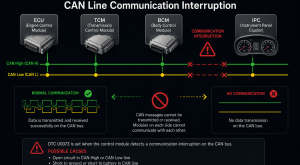
Professional mechanics use specialized tools (like Mercedes-Benz Star Diagnosis systems) to communicate directly with the various electronic control units (ECUs) controlling the engine, transmission, ABS, and body electronics. These tools allow technicians to:
- Read live sensor data to verify fault conditions.
- View freeze-frame data captured at the moment the fault occurred.
- Perform active component tests to confirm repair success.
For fleet operators, regular scanning for ‘passive’ or historical DTCs—warnings that have cleared but left a record—can prevent future breakdowns by addressing intermittent issues proactively.
Preventative Maintenance and Fault Minimization
The best way to deal with Mercedes Axor 1840 Fault Indicators is to prevent them from appearing in the first place. A rigorous, scheduled maintenance program tailored to the truck’s operational demands is non-negotiable.
Fluid Management
Regular checks and timely changes of engine oil, coolant, hydraulic fluid (for steering/power systems), and transmission fluid are paramount. Contaminated or degraded fluids are a leading cause of sensor failure and component wear.
Electrical System Integrity
Corrosion, loose connections, and damaged wiring harnesses are common culprits for intermittent electronic faults. Ensure battery terminals are clean and connections throughout the engine bay are secure, as voltage fluctuations can trigger false warnings across multiple systems.
Sensor Care
Sensors (like oxygen sensors, temperature sensors, and rail pressure sensors) are precision instruments. Ensure they are protected from physical damage, extreme heat, and chemical contamination during service procedures. A faulty sensor can mimic a major mechanical failure.
Effectively managing the operation of a Mercedes Axor 1840 hinges entirely on the operator’s ability to correctly interpret the dashboard signals. By understanding the color coding, recognizing the critical powertrain and safety indicators, and implementing a strong preventative maintenance schedule supported by accurate diagnostic tools, fleet managers can significantly reduce downtime. Paying close attention to every illuminated symbol, whether red or amber, ensures the longevity and profitability of this dependable heavy-duty vehicle, keeping your logistics chain moving smoothly without unexpected interruptions caused by unresolved system faults.