Opel Corsa Warning Lights Meanings
Decoding Your Opel Corsa’s Dashboard A Guide to Warning Lights Your Opel Corsa’s dashboard is a vital communication center, providing crucial information about your vehicle’s health. Understanding the meaning behind the various warning lights is essential for safe and responsible driving. Ignoring these signals can lead to significant damage and...


- 1. Decoding Your Opel Corsa’s Dashboard A Guide to Warning Lights
- 1.1. Understanding the Basics: Colors and Categories
- 1.2. Common Opel Corsa Warning Lights and Their Meanings
- 1.2.1. Engine-Related Warning Lights
- 1.2.2. Braking System Warning Lights
- 1.2.3. Electrical System Warning Lights
- 1.2.4. Safety System Warning Lights
- 1.2.5. Other Important Warning Lights
- 1.3. A Detailed Table of Opel Corsa Warning Lights
- 1.4. Troubleshooting Common Opel Corsa Warning Light Issues
- 1.5. Preventative Maintenance: Keeping Warning Lights at Bay
- 2. Opel Corsa Malfunction Lights and Warning Lights Meanings
- 2.1. 1. Engine Temperature Warning Light/Temperature Indicator Light
- 2.2. 2. Oil Pressure Warning Light
- 2.3. 3. Battery Charge Warning Light
- 2.4. 4. Parking Brake Warning Light
- 2.5. 5. Parking Brake Warning Light (Other)
- 2.6. 6. Parking Brake Warning Light
- 2.7. 7. Airbag Warning Light
- 2.8. 8. Seat Belt Warning Light
- 2.9. 9. Transmission Temperature Warning Light
- 2.10. 10. Vehicle Safety Warning Light
- 2.11. 11. Electronic Throttle Control Warning Light
- 2.12. 12. Front Vehicle Indicator Warning Light
- 2.13. 13. Lane Keeping Assist Warning Light
- 2.14. 14. Engine Malfunction Light
- 2.15. 15. Engine Malfunction Light (Other Symbol)
- 2.16. 16. Diesel Particulate Filter Warning Light
- 2.17. 17. Glow Plug Warning Light
- 2.18. 18. Low Fuel Indicator Warning Light
- 2.19. 19. ABS Warning Light
- 2.20. 20. SPORTS Against
- 2.21. 21. Four-Wheel Drive Warning Light
- 2.22. 22. Electronic Stability Control Warning Light
- 2.23. 23. Triangle Warning Light with Exclamation Mark
- 2.24. 24. Door Open Warning Light
- 2.25. 25. Trunk Lid Open Warning Light
- 2.26. 26. Hood Open Warning Light
- 2.27. 27. Electric Parking Warning Light
Decoding Your Opel Corsa’s Dashboard A Guide to Warning Lights
Your Opel Corsa’s dashboard is a vital communication center, providing crucial information about your vehicle’s health. Understanding the meaning behind the various warning lights is essential for safe and responsible driving. Ignoring these signals can lead to significant damage and costly repairs. This comprehensive guide will help you decipher the “Opel Corsa warning” lights and take appropriate action.
Understanding the Basics: Colors and Categories
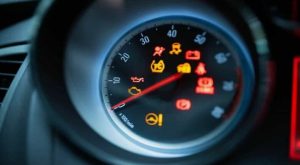
Opel Corsa warning lights use a color-coded system to indicate the severity of the issue. Green/Blue: Indicates that a system is active and functioning correctly. These are informational lights, not warnings. Warning lights can be broadly categorized into: Engine-Related: Issues affecting the engine’s performance or emissions. Electrical System: Issues with the battery, alternator, or other electrical components. Safety Systems: Problems with airbags, seatbelts, or other safety features. Fluid Levels: Low levels of essential fluids like oil, coolant, or washer fluid.
Common Opel Corsa Warning Lights and Their Meanings
Here’s a breakdown of some of the most common “Opel Corsa warning” lights you might encounter:
Engine-Related Warning Lights
Check Engine Light (MIL): This light, often shaped like an engine, indicates a problem with the engine or emissions system. It could be anything from a loose gas cap to a faulty sensor. A flashing check engine light indicates a more serious problem that requires immediate attention. Action: If the light is solid, schedule a diagnostic test. If it’s flashing, stop driving and seek immediate professional help. Oil Pressure Warning Light: Shaped like an oil can, this light indicates low oil pressure. This is a serious issue that can cause significant engine damage. Action: Stop the car immediately and check the oil level. If the oil level is low, add oil. If the light remains on, seek professional assistance. Coolant Temperature Warning Light: Shaped like a thermometer in water, this light indicates that the engine is overheating. Action: Stop the car immediately and allow the engine to cool down. Check the coolant level. If the coolant level is low, add coolant. If the light remains on, seek professional assistance.
Braking System Warning Lights
Brake Warning Light: This light, often displaying the word “BRAKE” or an exclamation point inside a circle, indicates a problem with the braking system. It could be related to low brake fluid, worn brake pads, or a malfunction in the ABS system. Action: Check the brake fluid level. If the level is low, add brake fluid. ABS Warning Light: This light, often displaying the letters “ABS,” indicates a problem with the Anti-lock Braking System. While the regular brakes will still function, the ABS system may not be working correctly. Action: Schedule a diagnostic test to determine the cause of the ABS malfunction.
Electrical System Warning Lights
Battery Warning Light: Shaped like a battery, this light indicates a problem with the charging system. It could be a faulty alternator, a loose battery cable, or a failing battery. Action: Check the battery connections. If the connections are secure, schedule a diagnostic test to determine the cause of the charging system problem.
Safety System Warning Lights
Airbag Warning Light: This light, often displaying a figure with a seatbelt and a circle (representing the airbag), indicates a problem with the airbag system. Action: Seek professional assistance immediately, as a malfunctioning airbag system can be dangerous in an accident.
Other Important Warning Lights
Power Steering Warning Light: This light, often displaying a steering wheel with an exclamation point, indicates a problem with the power steering system. Action: Check the power steering fluid level. If the level is low, add power steering fluid. If the light remains on, seek professional assistance. Steering may become heavier. Tire Pressure Monitoring System (TPMS) Warning Light: This light, often resembling a horseshoe with an exclamation point, indicates that one or more of your tires are underinflated. Action: Check the tire pressure of all tires and inflate them to the recommended pressure. The recommended pressure is usually found on a sticker on the driver’s side doorjamb or in the owner’s manual.
A Detailed Table of Opel Corsa Warning Lights
| Warning Light Image | Description | Color | Severity | Action (Imagine an engine icon) | Check Engine Light (MIL) | Yellow/Amber (Solid or Flashing) | Medium to High | Solid: Schedule a diagnostic test. Flashing: Stop driving and seek immediate professional help. | | (Imagine an oil can icon) | Oil Pressure Warning Light | Red | High | Stop immediately, check oil level. If low, add oil. If light persists, seek professional help. | | (Imagine a thermometer in water icon) | Coolant Temperature Warning Light | Red | High | Stop immediately, let engine cool. Check coolant level.
Troubleshooting Common Opel Corsa Warning Light Issues
Here are a few troubleshooting tips: Check the Gas Cap: A loose or missing gas cap can trigger the check engine light. Tighten or replace the gas cap and see if the light turns off after a few driving cycles. Check Fluid Levels: Regularly check the levels of engine oil, coolant, brake fluid, power steering fluid, and washer fluid. Top up as needed. Inspect Tire Pressure: Ensure all tires are inflated to the recommended pressure. Restart the Engine: Sometimes, a temporary glitch can cause a warning light to illuminate. Ignoring warning lights can lead to more serious problems and costly repairs down the road.
Preventative Maintenance: Keeping Warning Lights at Bay
Regular preventative maintenance is key to avoiding many “Opel Corsa warning” light issues. Here are some essential maintenance tasks: Regular Oil Changes: Follow the manufacturer’s recommended oil change intervals. Coolant Flushes: Flush and replace the coolant at the recommended intervals. Brake Inspections: Regularly inspect the brake pads, rotors, and brake fluid level. Tire Rotations: Rotate your tires regularly to ensure even wear. Battery Checks: Have your battery tested periodically to ensure it’s in good condition. Understanding the warning lights in your Opel Corsa is a critical aspect of responsible vehicle ownership.
The subject of this content is ” Opel Corsa malfunction signs and Opel Corsa warning lights meanings ”… I have prepared a very detailed and useful content for you about car indicators .
When you turn the ignition key or start your vehicle, the warning lights on the instrument panel will come on for a few seconds and then go off. If any of them remain on, it indicates a problem with your vehicle.
Opel Corsa car indicators light up in different colors depending on the risk level of the malfunction.
- Red warning lights indicate serious problems. In this case, you should not continue driving and it is recommended that you stop your vehicle safely.
- Yellow or orange warning lights indicate less serious problems. Depending on the warning light, repairs and maintenance are recommended.
- Blue or Green warning lights indicate that any system in your vehicle is on or working. Headlights are on, etc.
Opel Corsa Malfunction Lights and Warning Lights Meanings
Below you can see the Citroen Berlingo fault signs and their meanings.
1. Engine Temperature Warning Light/Temperature Indicator Light
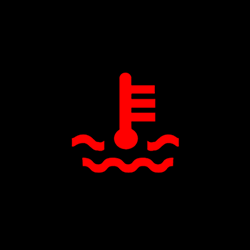
The Engine Temperature Warning Light indicates that the engine coolant is overheating. It’s one of the three most important warning lights on your vehicle (along with the Other Oil Light and the Charge Light).
When you see this red light on your vehicle’s dashboard, you should stop your vehicle as soon as possible and allow the engine to cool to the appropriate temperature. Even if your car is cold, continuing to drive is not recommended. It’s recommended that you take your vehicle to the nearest service center. If you continue driving with this light on, you could cause significant damage to your vehicle’s engine.
2. Oil Pressure Warning Light
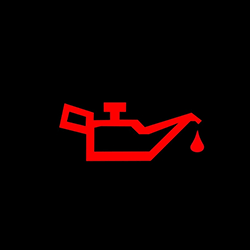
The oil pressure warning light: Oil is the lifeblood of your vehicle. The entire engine system operates thanks to lubrication, just like the human body needs water. The most important warning light is the one that requires immediate attention. If this light illuminates, your vehicle’s oil level is low. After your engine has cooled down, you should stop your vehicle as soon as possible and check the oil level. Do not drive if this warning light is illuminated.
3. Battery Charge Warning Light
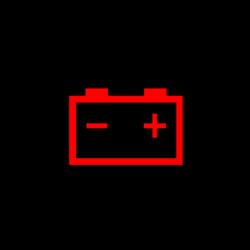
Battery Charge Warning Light: The battery charge warning light means there’s a problem with your car’s alternator and your car is running solely on battery power. If you’re experiencing any trouble, turn off your radio and air conditioning and consider driving to the repair shop for safety.
4. Parking Brake Warning Light
Parking Brake Warning Light; It is a warning light that indicates that the parking brake is applied.
5. Parking Brake Warning Light (Other)
Parking Brake Warning Light; It is a warning light that indicates that the parking brake is applied.
6. Parking Brake Warning Light
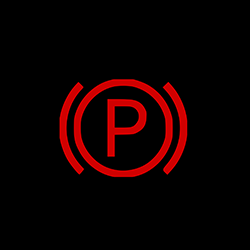
Parking Brake Warning Light; It comes on when you shift the gear to park position in automatic transmission vehicles. (P)
7. Airbag Warning Light

Airbag Warning Light: When this light is illuminated, the airbag system is not functioning. It is recommended that you seek service. In some cases, it may illuminate when someone is sitting in the passenger seat and their seat belt is not fastened.
8. Seat Belt Warning Light
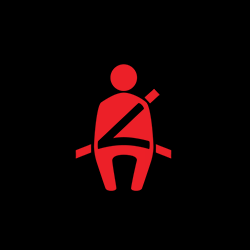
Seat Belt Warning Light: A warning light that indicates that the seat belt is not fastened.
9. Transmission Temperature Warning Light
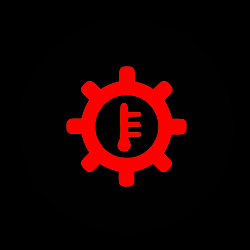
Transmission Temperature Warning Light: This is a warning symbol indicating that the transmission is operating at an improper temperature. Check the transmission fluid level and engine coolant level. Allow the vehicle to cool at idle for 5 minutes with N gear.
10. Vehicle Safety Warning Light

Vehicle Security Warning Light: This indicator light flashes for approximately 15 seconds. It flashes when the vehicle security alarm is sounding and automatically turns off when the alarm is sounded.
11. Electronic Throttle Control Warning Light

Electronic Throttle Control Warning Light: This indicator light illuminates to indicate a malfunction in the Electronic Throttle Control system. If this light flashes for an extended period, you should immediately stop your vehicle and place it in PARK.
12. Front Vehicle Indicator Warning Light
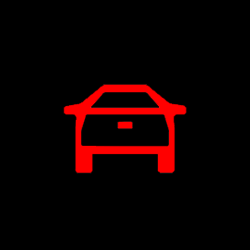
Ahead Vehicle Indicator Warning Light; This dashboard light flashes to indicate to you that there is a vehicle in front of your car and that you need to reduce your speed to avoid a collision.
13. Lane Keeping Assist Warning Light
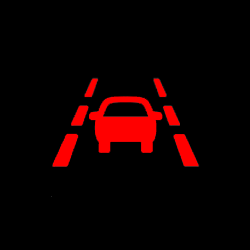
Lane keeping assist warning light; It is a warning light that comes on when the lane is changed without using the signal in vehicles produced with today’s technology.
14. Engine Malfunction Light
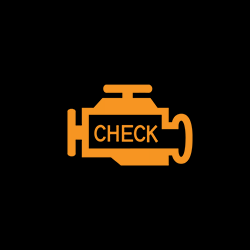
Engine Malfunction Light: This is one of the most frequently illuminated lights. Most vehicles have two levels. If the light remains ON or stays on, it should be taken seriously.
The check engine light can illuminate for a number of reasons. The most common is the timing belt. Other common causes include poor quality fuel, a faulty Lambda sensor, a faulty catalytic converter, and an EGR fault.
15. Engine Malfunction Light (Other Symbol)
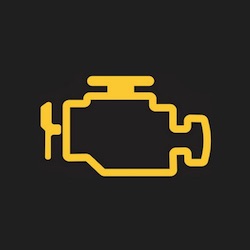
Engine Malfunction Light: This is one of the most frequently illuminated lights. Most vehicles have two levels. If the light remains ON or stays on, it should be taken seriously.
The check engine light can illuminate for a number of reasons. The most common is the timing belt.
16. Diesel Particulate Filter Warning Light
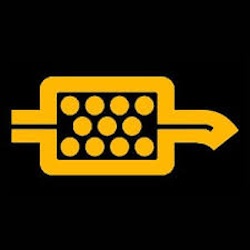
Diesel Particulate Filter (DPF) Warning Light: The particulate filter is the part of the exhaust gases that filters out pollutants and allows less harmful gases to be released.
Your vehicle’s exhaust emissions may increase. Driving at high speeds for 10-15 minutes while the vehicle is running may clear the soot and turn the light off. If it doesn’t, we recommend visiting a dealer.
For more information about Diesel Particulate Filter, please see our content below;
17. Glow Plug Warning Light

Glow Plug Warning Light: This warning light is found in diesel vehicles and is the part that regulates the ignition required for the vehicle to start. In gasoline vehicles, ignition is achieved via a spark plug, while in diesel vehicles, it is achieved via a glow plug in cold weather. If your vehicle doesn’t start in cold weather and this malfunction light is on, the heater rails are not working and need to be replaced.
18. Low Fuel Indicator Warning Light
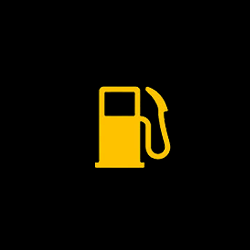
The Low Fuel Indicator Symbol is a warning light that illuminates when your vehicle’s fuel level is low. This amount is stated in your vehicle’s owner’s manual. It illuminates when the tank contains between 5 and 8 liters of fuel.
19. ABS Warning Light
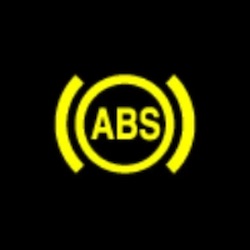
ABS warning light; If the ignition does not turn on when the ignition key is in the “ON” position, if it does not return to the ON position after lighting up, it means it is faulty. If you are driving, you should drive carefully, drive at a moderate speed, and avoid hard braking.
20. SPORTS Against

Sport Mode; This warning sign indicates that sport mode is activated.
21. Four-Wheel Drive Warning Light
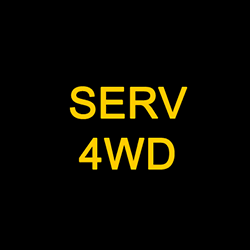
Service 4WD Warning Light; If the four-wheel drive warning sign and 4WD light on the instrument panel are on, there may be a fault in the system
22. Electronic Stability Control Warning Light
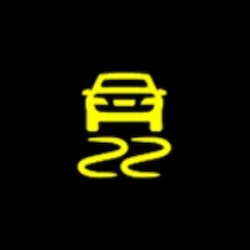
Electronic Stability Control Active Warning Light: Illuminates when the vehicle’s traction control/anti-skid or electronic stability system is in use. It’s typically an indicator light that indicates slippery conditions.
23. Triangle Warning Light with Exclamation Mark

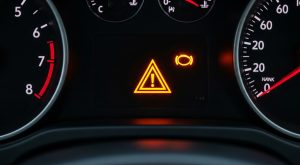
Exclamation Point Warning Light (Triangle); The exclamation point inside a yellow triangle illuminated on a vehicle’s dashboard is also known as the generic warning light or service light. If this light illuminates on your car’s dashboard, it typically indicates a problem with your car that needs to be fixed, not an emergency. The color changes from white for a friendly message, to yellow for caution, to red for critical.
24. Door Open Warning Light
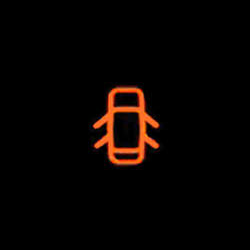
Door open warning light; A warning light that comes on when a single door on your car, including the trunk, is opened or closed.
25. Trunk Lid Open Warning Light

Tailgate open warning light; Vehicle dashboard signs indicating that the luggage compartment is open.
26. Hood Open Warning Light
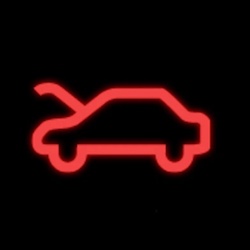
Hood Open Warning Light: If the engine hood is open, this vehicle warning light will illuminate on the panel.
27. Electric Parking Warning Light
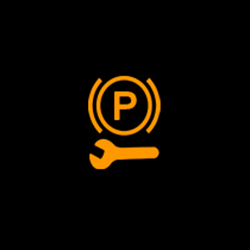
Electric Parking Warning Light; This warning symbol indicates that there is a technical problem/fault in the parking brake system and that immediate service is required.