Elf or Castrol? A Comparison of Performance, Price, and Durability?
Choosing the right engine oil is a critical decision for any vehicle owner. It directly impacts performance, longevity, and maintenance costs. In the world of automotive lubricants, Elf and Castrol stand out as two globally recognized and respected brands. For many drivers pondering the choice between these titans, the central...

Choosing the right engine oil is a critical decision for any vehicle owner. It directly impacts performance, longevity, and maintenance costs. In the world of automotive lubricants, Elf and Castrol stand out as two globally recognized and respected brands. For many drivers pondering the choice between these titans, the central question remains: Elf or Castrol? A Comparison of Performance, Price, and Durability will reveal which lubricant best suits your specific needs.
- 1. Understanding the Legacy of Elf and Castrol
- 1.1. Castrol: A Global Powerhouse
- 1.2. Elf: The French Engineering Edge
- 2. Performance Metrics: How Elf and Castrol Stack Up
- 2.1. Viscosity and Temperature Stability
- 2.2. Deposit Control and Engine Cleanliness
- 2.3. Motorsports Proven Technology
- 3. Price Point Analysis: Value for Money
- 3.1. Entry-Level and Mid-Range Oils
- 3.2. Premium Full Synthetics
- 4. Durability and Service Life Expectations
- 4.1. OEM Approvals and Specifications
- 4.2. Resistance to Shearing
- 5. Application Specific Comparisons
- 5.1. Passenger Cars (Gasoline)
- 5.2. Diesel Engines and Heavy Duty Use
- 5.3. High-Performance/Track Use
- 6. Making the Final Selection: Elf or Castrol?
- 6.1. When to Choose Castrol
- 6.2. When to Choose Elf
Understanding the Legacy of Elf and Castrol
Before diving into a direct comparison, it is essential to appreciate the heritage behind these two oil giants. Both companies bring decades of expertise and significant investment in research and development to the market.
Castrol: A Global Powerhouse
Castrol, now owned by BP, boasts an extensive history rooted in innovation. They are deeply involved in motorsports, which serves as a demanding proving ground for their products. Their focus often centers on advanced synthetic formulations designed for extreme conditions and maximizing fuel efficiency.

Elf: The French Engineering Edge
Elf, closely associated with the French oil major TotalEnergies, has a strong reputation, particularly in European automotive circles. Elf is often recognized for its close ties to specific Original Equipment Manufacturers (OEMs), leading to specialized formulations tailored for particular engine architectures.
Performance Metrics: How Elf and Castrol Stack Up
Performance in engine oil is judged by several key factors: viscosity stability, thermal breakdown resistance, and overall engine protection under various loads. When comparing Elf or Castrol? A Comparison of Performance, Price, and Durability, performance is often the most contested area.
Viscosity and Temperature Stability
Both brands offer a comprehensive range of viscosities (e.g., 5W-30, 0W-20). High-quality synthetic oils from both Elf and Castrol excel at maintaining their viscosity index across extreme temperature ranges, ensuring proper lubrication during cold starts and high-temperature operation.
- Cold Start Protection: Both brands generally offer superior flow rates at low temperatures compared to conventional oils.
- High-Temperature Film Strength: Advanced additive packages in premium lines from both help prevent metal-to-metal contact under high shear stress.
Deposit Control and Engine Cleanliness
Modern engines rely heavily on clean oil pathways. Detergents and dispersants are crucial components in preventing sludge and varnish buildup.
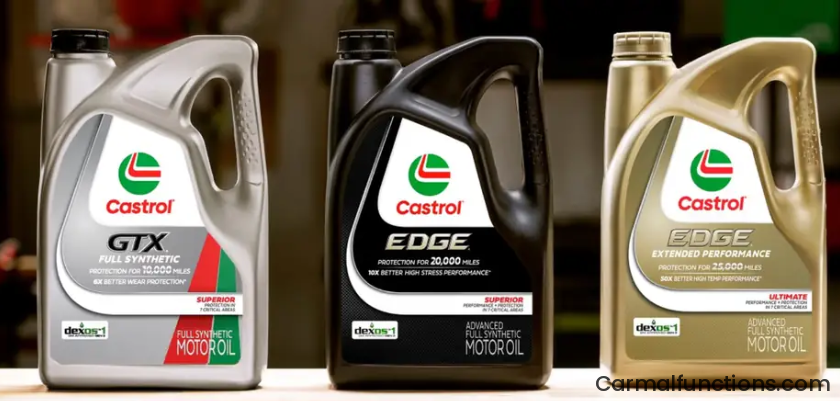
Castrol’s EDGE line, for example, often highlights its Fluid Strength Technology, designed to actively resist breakdown. Elf, through its partnership with TotalEnergies, frequently emphasizes high-performance detergent systems that meet stringent European emission standards.
Motorsports Proven Technology
While both compete, Castrol often leans heavily on its involvement in Formula 1 and other high-profile series to market its top-tier performance. Elf maintains a robust presence, particularly in endurance racing and rallying, translating that experience into reliable road-going products.
Price Point Analysis: Value for Money
The cost of engine oil varies significantly based on the base stock (conventional, synthetic blend, or full synthetic) and the specific OEM approvals required. Generally, when evaluating Elf or Castrol? A Comparison of Performance, Price, and Durability, Castrol often occupies a slightly higher price bracket for its flagship synthetic products in many international markets.
Entry-Level and Mid-Range Oils
In the conventional or mineral oil categories, the pricing between the two is usually competitive. Availability also plays a role; in regions where Elf has strong OEM partnerships, its mid-range offerings might be more aggressively priced.
Premium Full Synthetics
The full synthetic lines—such as Castrol EDGE or Elf Evolution series—command a premium due to the complexity and cost of Group IV (PAO) or Group V base stocks and advanced additive packages. Consumers must weigh the marginal price difference against the perceived performance benefits for their specific vehicle.
Table 1: General Price Positioning (Relative Index)
| Oil Type | Castrol Positioning (1-5, 5 being highest) | Elf Positioning (1-5, 5 being highest) |
|---|---|---|
| Conventional/Mineral | 2 | 2 |
| Synthetic Blend | 3 | 3 |
| Full Synthetic (Premium) | 4.5 | 4 |
Durability and Service Life Expectations
Durability is intrinsically linked to the oil’s ability to resist oxidation and thermal degradation over extended drain intervals. The decision on which oil lasts longer often depends heavily on the vehicle manufacturer’s recommendations and driving conditions.
OEM Approvals and Specifications
For modern, technologically advanced engines (especially those with turbochargers or complex emissions systems), adherence to specific OEM approvals (like VW 504.00/507.00, BMW LL-04, or Mercedes-Benz approvals) is paramount. Both Elf and Castrol invest heavily in securing these critical approvals.
An oil with the correct OEM approval is engineered for the durability expected by the car maker, often allowing for longer drain intervals (e.g., 15,000 miles or more in ideal synthetic conditions).
Resistance to Shearing
Engine durability over the long term hinges on the oil’s ability to maintain its protective film under constant mechanical stress (shearing). Full synthetic formulations from both Elf and Castrol are designed with robust polymer structures that resist thinning out over time, ensuring consistent protection deeper into the service interval.
Application Specific Comparisons
The “best” oil is always vehicle-specific. A diesel truck has vastly different needs than a high-revving sports car.
Passenger Cars (Gasoline)
For standard gasoline engines, both brands offer excellent protection. Drivers prioritizing maximum efficiency might lean towards the latest low-viscosity synthetics (like 0W-20) offered by both. Elf often has a slight edge in niche European models due to historical factory fill agreements.
Diesel Engines and Heavy Duty Use
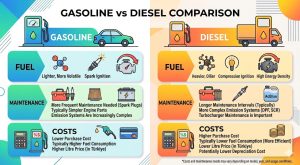
Diesel engines require oils with superior Total Base Number (TBN) retention to neutralize corrosive byproducts of combustion (sulfates). Both brands have specialized heavy-duty lines. Castrol’s heavy-duty range is globally recognized for its soot handling capabilities, whereas Elf’s diesel formulations are highly regarded in markets where diesel dominates.
High-Performance/Track Use
In extreme performance scenarios, drivers often look for oils that prioritize thermal stability above all else. Here, the top-tier synthetic offerings from Castrol (often marketed through their involvement with high-level racing teams) sometimes receive slightly more aggressive marketing emphasis, although Elf’s top racing oils are equally capable.
Making the Final Selection: Elf or Castrol?
When weighing Elf or Castrol? A Comparison of Performance, Price, and Durability, the decision often boils down to availability, vehicle requirements, and budget. There is no single universal winner; rather, there are two excellent choices that excel in different areas.
When to Choose Castrol
Choose Castrol if:
- You drive a vehicle where premium synthetic technology, heavily marketed with motorsports credentials, gives you confidence.
- You require a product with widespread global availability and strong, well-documented performance in extreme heat conditions.
- You are using a newer vehicle that benefits from Castrol’s latest proprietary additive technologies designed for fuel economy mandates.
When to Choose Elf
Choose Elf if:
- Your vehicle is a European make (French, German, Italian) and you want an oil with strong historical OEM alignment or factory fill experience.
- You are looking for exceptional value in the mid-to-high performance synthetic range without compromising on necessary industry certifications.
- Your primary concern is reliable, proven performance backed by TotalEnergies’ extensive research infrastructure.
Ultimately, both Elf and Castrol provide exceptional engine protection that far surpasses the requirements of conventional oils. The marginal differences between their top products are often negligible for the average driver under normal service conditions. The most crucial factor remains selecting the correct viscosity grade and ensuring the oil meets or exceeds the specific API, ACEA, and OEM specifications listed in your vehicle’s owner’s manual. Investing in a high-quality synthetic from either of these established leaders ensures your engine receives the care required to achieve maximum longevity and efficiency, making your choice less about brand superiority and more about the right technical specification for your machine.