175 65 R14 Tire Air Pressure
Understanding 175 65 R14 Tire Air Pressure for Optimal Performance Proper tire inflation is crucial for vehicle safety, fuel efficiency, and overall performance. When it comes to tires sized 175 65 R14, understanding the correct air pressure is paramount. This guide will provide you with all the information you need...

- 1. Understanding 175 65 R14 Tire Air Pressure for Optimal Performance
- 1.1. What Does 175 65 R14 Mean?
- 1.2. Recommended Tire Pressure Values for 175 65 R14
- 1.3. Why is Correct Tire Air Pressure Important?
- 1.4. Finding the Recommended Tire Air Pressure for 175 65 R14 Tires
- 1.5. Understanding PSI (Pounds per Square Inch)
- 1.6. Factors Affecting Tire Air Pressure
- 1.7. Checking and Adjusting Tire Air Pressure
- 1.8. Tire Pressure Monitoring Systems (TPMS)
- 1.9. Troubleshooting Common Tire Pressure Issues with 175 65 R14 Tires
- 1.10. Choosing the Right Tire Pressure Gauge
- 1.11. The Impact of 175 65 R14 Tire Air Pressure on Vehicle Handling
- 1.12. Seasonal Tire Pressure Adjustments for 175 65 R14 Tires
- 1.13. Table: Recommended Tire Pressure Ranges for 175 65 R14 Tires (Example)
- 1.14. Common Myths About Tire Pressure for 175 65 R14 Tires
Understanding 175 65 R14 Tire Air Pressure for Optimal Performance
Proper tire inflation is crucial for vehicle safety, fuel efficiency, and overall performance. When it comes to tires sized 175 65 R14, understanding the correct air pressure is paramount. This guide will provide you with all the information you need to maintain the optimal air pressure in your 175 65 R14 tires.
What Does 175 65 R14 Mean?
Before diving into air pressure, let’s decode the tire size designation: 175 65 R14. 175: This number represents the tire’s section width in millimeters. In this case, the tire is 175mm wide. 65: This is the aspect ratio, representing the tire’s sidewall height as a percentage of its section width. Here, the sidewall height is 65% of 175mm. R This indicates that the tire has a radial construction. 14: This is the wheel diameter in inches. This tire is designed for a 14-inch wheel. These specifications are essential for ensuring your vehicle is running on the appropriate tires. Using the wrong size can have adverse effects on handling and safety.
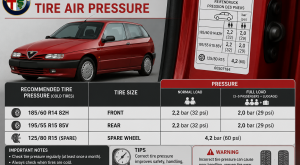
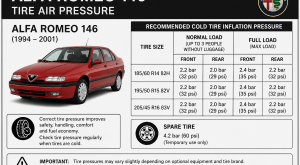
Recommended Tire Pressure Values for 175 65 R14
| Driving Conditions | Front Tire | Rear Tire |
|---|---|---|
| Summer – Normal Load | 32 psi / 2.2 bar | 30 psi / 2.1 bar |
| Summer – Full Load | 34 psi / 2.3 bar | 32 psi / 2.2 bar |
| Summer – Long Distance | 33 psi / 2.25 bar | 31 psi / 2.15 bar |
| Winter – Normal Load | 30 psi / 2.1 bar | 28 psi / 2.0 bar |
| Winter – Full Load | 32 psi / 2.2 bar | 30 psi / 2.1 bar |
| Winter – The Long Haul | 31 psi / 2.15 bar | 29 psi / 2.0 bar |
Why is Correct Tire Air Pressure Important?
Maintaining the correct tire air pressure for your 175 65 R14 tires offers numerous benefits: Safety: Underinflated tires can lead to overheating and, in extreme cases, tire failure. Overinflated tires can reduce grip and increase the risk of skidding. Fuel Efficiency: Underinflated tires increase rolling resistance, forcing your engine to work harder and consume more fuel. Tire Life: Proper inflation ensures even wear across the tire’s tread, extending its lifespan. Underinflation causes the edges to wear more quickly, while overinflation causes the center to wear faster. Handling and Ride Comfort: Correctly inflated tires provide optimal handling and a smoother ride. Braking Performance: Proper inflation helps to maintain optimal contact with the road surface, improving braking performance.
Finding the Recommended Tire Air Pressure for 175 65 R14 Tires
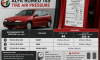
The recommended tire air pressure for your 175 65 R14 tires is not found on the tire itself. Instead, it is typically located in one of the following places: Vehicle’s Door Jamb: Check the sticker on the driver’s side door jamb. This is the most reliable source. Owner’s Manual: The vehicle’s owner’s manual will also list the recommended tire pressure. Fuel Filler Door: Some vehicles have the information on the fuel filler door. These locations provide the manufacturer’s recommended tire pressure for your vehicle, taking into account its weight, suspension, and other factors. This pressure is usually given for both the front and rear tires, and it may differ slightly. Important Note: The number on the tire sidewall is the maximum pressure the tire can handle, not the recommended operating pressure. Never inflate your tires to the maximum pressure listed on the tire.
Understanding PSI (Pounds per Square Inch)
Tire air pressure is measured in PSI (pounds per square inch). The recommended pressure is usually given in PSI. Make sure your tire pressure gauge is accurate and reads in PSI.
Factors Affecting Tire Air Pressure
Several factors can influence the ideal tire air pressure for your 175 65 R14 tires: Load: If you are carrying a heavy load, you may need to increase the tire pressure slightly. Consult your owner’s manual for specific recommendations. Temperature: Tire pressure decreases in cold weather and increases in hot weather.
Check your tire pressure regularly, especially during seasonal changes. A good rule of thumb is that tire pressure changes about 1 PSI for every 10 degrees Fahrenheit change in temperature. Driving Conditions: For track days or aggressive driving, you might adjust tire pressure to optimize grip and handling. However, this is a specialized situation and should be done with caution and knowledge.
Checking and Adjusting Tire Air Pressure
Here’s how to check and adjust your tire air pressure
1. Gather Your Tools: You’ll need a reliable tire pressure gauge and an air compressor or a source of compressed air.
2. Check When Tires Are Cold: Check the tire pressure when the tires are cold, meaning they haven’t been driven on for at least three hours, or have been driven less than a mile. Driving heats up the tires and increases the air pressure, giving you an inaccurate reading.
3. Remove the Valve Cap: Unscrew the valve cap from the tire valve stem.
4. Attach the Tire Pressure Gauge: Press the tire pressure gauge firmly onto the valve stem until you get a reading.
5. Read the Pressure: Note the PSI reading on the gauge.
6. Inflate or Deflate: If the pressure is too low, use the air compressor to add air until you reach the recommended pressure. If the pressure is too high, press the pin in the center of the valve stem to release air until you reach the recommended pressure.
7. Recheck the Pressure: After inflating or deflating, recheck the pressure to ensure it’s correct.
8. Replace the Valve Cap: Screw the valve cap back onto the valve stem.
9. Repeat for All Tires: Repeat this process for all four tires.
Tire Pressure Monitoring Systems (TPMS)
Many modern vehicles are equipped with a Tire Pressure Monitoring System (TPMS). This system uses sensors to monitor the air pressure in your tires and alerts you if the pressure drops below a certain threshold. While TPMS is a helpful safety feature, it’s still important to manually check your tire pressure regularly. TPMS sensors can sometimes malfunction, and they don’t always detect minor pressure changes that can still affect performance.
Troubleshooting Common Tire Pressure Issues with 175 65 R14 Tires
Tire Pressure Light On: If your TPMS light comes on, it indicates that one or more of your tires are underinflated. Check the pressure in all of your tires and inflate them to the recommended level. If the light doesn’t turn off after inflating the tires, there may be a problem with the TPMS sensor. Rapid Pressure Loss: If you notice that one of your tires is losing pressure rapidly, it could indicate a puncture or a leak in the valve stem. Have the tire inspected and repaired or replaced as needed. Uneven Tire Wear: Uneven tire wear can be a sign of improper inflation, misalignment, or suspension problems. Have your tires inspected by a professional to determine the cause of the wear.
Choosing the Right Tire Pressure Gauge
Selecting the right tire pressure gauge can make a significant difference in the accuracy and ease of checking your tire pressure. Here are a few types to consider: Digital Tire Pressure Gauges: These gauges provide a clear, easy-to-read digital display of the tire pressure. They are generally more accurate than analog gauges. Analog Tire Pressure Gauges: These gauges use a needle to indicate the tire pressure on a dial. They are less expensive than digital gauges but can be harder to read accurately. Stick-Type Tire Pressure Gauges: These gauges are simple and compact, but they can be difficult to use accurately. When choosing a tire pressure gauge, look for one that is easy to read, accurate, and durable.
The Impact of 175 65 R14 Tire Air Pressure on Vehicle Handling
The correct air pressure in your 175 65 R14 tires directly impacts your vehicle’s handling. Underinflated tires can lead to: Increased Body Roll: The car will feel less stable in turns. Delayed Steering Response: The steering will feel sluggish and less precise. Reduced Grip: The tires won’t have as much contact with the road, reducing traction. Overinflated tires can lead to: Harsh Ride: The ride will feel bumpy and uncomfortable. Reduced Grip: The tires won’t conform to the road surface as well, reducing traction. Increased Risk of Skidding: The tires are more likely to lose traction and skid in wet or icy conditions. Maintaining the correct tire pressure ensures optimal handling and a safer driving experience.
Seasonal Tire Pressure Adjustments for 175 65 R14 Tires
As mentioned earlier, temperature fluctuations can significantly affect tire pressure. In colder months, tire pressure decreases, and in warmer months, it increases. It’s crucial to adjust your tire pressure accordingly to maintain the recommended level. Here’s a seasonal adjustment guide: Winter: Check your tire pressure more frequently during the winter months. Add air as needed to compensate for the drop in pressure due to cold temperatures. Summer: Check your tire pressure less frequently during the summer months, but still monitor it regularly. Release air if the pressure exceeds the recommended level due to hot temperatures.
Table: Recommended Tire Pressure Ranges for 175 65 R14 Tires (Example)
Note: This is a general example. Always refer to your vehicle’s door jamb sticker or owner’s manual for the specific recommended tire pressure. | Condition | Front Tire Pressure (PSI) | Rear Tire Pressure (PSI) | | Normal Driving | 30 | 30 | | Heavy Load | 32 | 34 | | Highway Driving | 32 | 32 |
Common Myths About Tire Pressure for 175 65 R14 Tires
Myth: The tire pressure listed on the tire sidewall is the recommended pressure. Fact: The number on the tire sidewall is the maximum pressure the tire can handle, not the recommended operating pressure. Myth: You only need to check your tire pressure when the TPMS light comes on. Fact: While TPMS is helpful, it’s still important to manually check your tire pressure regularly. Myth: Overinflating your tires will improve fuel economy. Fact: Overinflating your tires can reduce grip and increase the risk of skidding, and it won’t significantly improve fuel economy. Maintaining the correct tire pressure for your 175 65 R14 tires is essential for safety, fuel efficiency, tire life, and overall vehicle performance. By understanding the factors that affect tire pressure, checking and adjusting your tires regularly, and debunking common myths, you can ensure that your tires are properly inflated and that you are getting the most out of them. Remember to always consult your vehicle’s door jamb sticker or owner’s manual for the specific recommended tire pressure for your vehicle.