Why do blind spot warning systems give false alarms?
Blind spot warning systems give false alarms due to a variety of factors, including sensor obstructions, adverse weather conditions, limitations in detecting certain vehicles, and even the design of the vehicle itself. These systems use sensors, cameras, and radar to detect other vehicles in your blind spots. However, they are...

Blind spot warning systems give false alarms due to a variety of factors, including sensor obstructions, adverse weather conditions, limitations in detecting certain vehicles, and even the design of the vehicle itself. These systems use sensors, cameras, and radar to detect other vehicles in your blind spots. However, they are not perfect. Sometimes, they can mistakenly alert you to a non-existent danger or fail to detect a real one. You will find detailed tables and FAQs below.
- 1. Understanding Blind Spot Warning Systems
- 2. Why Do Blind Spot Warning Systems Give False Alarms?
- 2.1. Sensor Obstructions and Malfunctions
- 2.2. Adverse Weather Conditions
- 2.3. Limitations in Detecting Specific Vehicles
- 2.4. Vehicle Design and Reflections
- 2.5. Speed Limitations
- 2.6. Calibration Issues and Aftermarket Modifications
- 2.7. Environmental Factors and Interference
- 3. How Blind Spot Warning Systems Work
- 4. Common Causes of False Alarms
- 5. Addressing False Alarms
- 5.1. Clean the Sensors
- 5.2. Check for Physical Damage
- 5.3. Verify Weather Conditions
- 5.4. Review System Limitations
- 5.5. Professional Calibration and Diagnosis
- 6. The Importance of Driver Vigilance
- 7. Blind Spot Warning System FAQs
- 7.1. Q1: Can extreme heat cause false alarms in blind spot warning systems?
- 7.2. Q2: My blind spot warning light stays on constantly. What could be wrong?
- 7.3. Q3: Do aftermarket blind spot systems have more false alarms than factory-installed ones?
- 7.4. Q4: How do I know if my blind spot sensors need cleaning?
- 7.5. Q5: Can a trailer hitch cause false alarms in my blind spot monitoring system?
Understanding Blind Spot Warning Systems
Blind spot warning (BSW) systems are advanced driver-assistance features designed to enhance safety. They monitor the areas around your vehicle that are difficult for the driver to see. These systems typically use radar or ultrasonic sensors. Some also incorporate cameras. They are usually located on the sides or rear of the vehicle. When another vehicle enters the monitored blind spot, the system alerts the driver. Alerts can be visual, like a light on the side mirror. They can also be audible, like a beep or chime. Some advanced systems even provide haptic feedback, like steering wheel vibrations. These systems are intended to help prevent accidents during lane changes or merges. They can significantly reduce the risk of collisions. However, they are not infallible.
Why Do Blind Spot Warning Systems Give False Alarms?
Several factors can cause why do blind spot warning systems give false alarms. Understanding these reasons helps drivers use the systems more effectively and safely.

Sensor Obstructions and Malfunctions
The most common reason for false alarms is a dirty or obstructed sensor. Sensors are typically mounted on the exterior of the vehicle. They are often located near the rear bumper or in the side panels. Road grime, mud, snow, ice, or heavy rain can cover these sensors. This blockage can prevent them from accurately detecting vehicles. Many systems will display a “temporarily unavailable” message when sensors are blinded. Cleaning the sensors usually resolves this issue. Physical damage to the sensors can also cause problems. Even a minor impact in a parking lot can misalign or damage a sensor. This damage might not always be visible externally. Malfunctioning electrical components or wiring issues can also lead to false alerts. Corroded connectors or damaged wiring harnesses are common culprits. Water intrusion into the bumper area can also affect sensor performance.
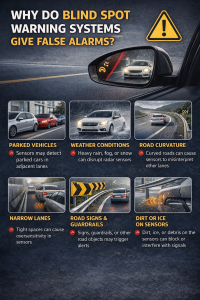
Adverse Weather Conditions
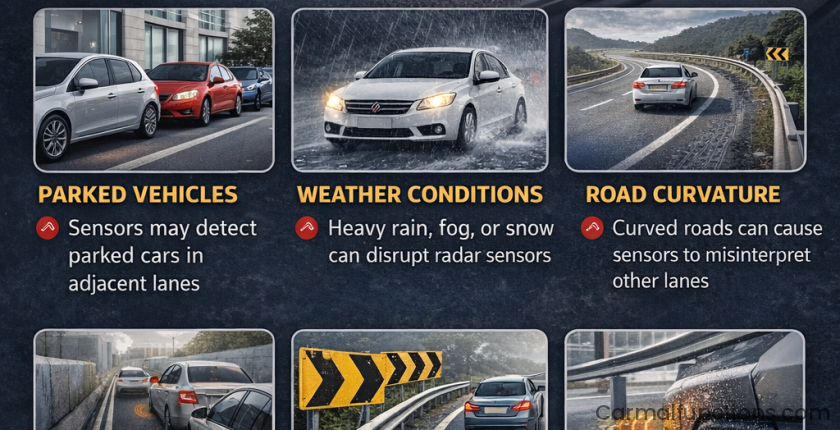
Bad weather significantly impacts BSW system accuracy. Heavy rain, snow, fog, or even dense mist can interfere with the sensors’ ability to detect other vehicles. The system might interpret raindrops or snowflakes as solid objects, triggering a false alarm. Similarly, driving on dirty or muddy roads can obscure the sensors. This can lead to unreliable readings. In icy conditions, ice buildup on the sensors can completely disable the system or cause erratic behavior.
Limitations in Detecting Specific Vehicles
BSW systems are designed primarily to detect other cars and trucks. They may struggle to accurately detect smaller vehicles like motorcycles and bicycles. These vehicles have a smaller profile. They also move differently than larger vehicles. This can make it harder for the sensors to register their presence reliably. This limitation can lead to false negatives (failing to detect a vehicle) rather than false positives, but it’s a crucial aspect of system reliability.
Vehicle Design and Reflections
The design of the vehicle itself can sometimes contribute to false alarms. For large vehicles, reflections from their own bodywork can be misinterpreted by the sensors as other vehicles. Similarly, roadside objects like guardrails, signs, or even certain types of road surfaces can create radar clutter. These reflections can be mistakenly identified as a vehicle in the blind spot. This is particularly true in complex environments with many reflective surfaces.
Speed Limitations
Many BSW systems have operational speed limitations. Some systems are not designed to function effectively at very low speeds, typically below 20 mph. While this might not directly cause a false alarm, it means the system is unreliable or inoperable in certain low-speed scenarios, such as in parking lots or heavy traffic. This can lead to a false sense of security if drivers expect them to work at all times.
Calibration Issues and Aftermarket Modifications
BSW systems require precise calibration to function correctly. If sensors are misaligned after a repair or modification, they can produce inaccurate readings. Even minor impacts or bumper reinstallation can affect sensor alignment. If a vehicle has undergone bodywork, especially involving the rear bumper, recalibration is often necessary. Aftermarket modifications, such as installing a trailer hitch or certain types of bumper stickers, can also interfere with sensor operation and lead to false alerts.
Environmental Factors and Interference
Beyond weather, other environmental factors can cause interference. Strong radio frequency signals or certain types of electronic equipment near the vehicle might disrupt sensor performance. While less common, these external interferences can contribute to unexpected system behavior.
How Blind Spot Warning Systems Work
Blind spot warning systems typically employ radar sensors or cameras. These sensors are strategically placed on the vehicle’s exterior. They constantly scan the adjacent lanes. When a vehicle is detected within the system’s predefined range, it triggers an alert. The alert usually consists of a visual indicator. This light is often located in the side-view mirror or on the A-pillar. If the driver activates the turn signal while a vehicle is in the blind spot, an audible warning may sound. This layered alert system aims to provide comprehensive driver support.
Common Causes of False Alarms
Let’s break down the specific reasons why do blind spot warning systems give false alarms into a more digestible format:
- Dirty or Obstructed Sensors: Mud, snow, ice, heavy rain, or road grime can cover the sensors, leading to inaccurate readings.
- Adverse Weather: Heavy precipitation, fog, or mist can be misinterpreted by the system.
- Smaller Vehicle Detection Issues: Motorcycles and bicycles can be difficult for the system to detect reliably.
- Reflections: Reflections from the vehicle’s own body, roadside objects, or even certain road surfaces can trigger false alerts.
- Speed Limitations: Some systems are less effective or inoperable at lower speeds.
- Sensor Misalignment: Incorrect calibration after repairs or modifications can cause errors.
- Electronic Interference: External radio frequency signals or electronic devices can sometimes interfere.
- System Glitches: Software glitches or electrical issues within the vehicle’s ADAS network can cause unexpected behavior.
- Aftermarket Accessories: Trailer hitches or certain bumper stickers can interfere with sensor function.
Addressing False Alarms
If you are experiencing frequent false alarms from your blind spot warning system, here are steps you can take:
Clean the Sensors
Begin by thoroughly cleaning the exterior sensors. Use a soft cloth and mild soap. Ensure no dirt or debris remains. Pay close attention to the areas around the rear bumper and side panels.
Check for Physical Damage
Inspect the sensors and surrounding areas for any visible signs of damage. Even minor dents or misalignments can affect performance. If you suspect damage, it’s best to have it inspected by a professional.
Verify Weather Conditions
Consider if current weather conditions might be affecting the system. If the alarms occur only during heavy rain, snow, or fog, the system may be functioning as designed, albeit with limitations.
Review System Limitations
Familiarize yourself with your vehicle’s BSW system limitations. Consult your owner’s manual to understand its operational speed range and any specific conditions where it might be less effective.
Professional Calibration and Diagnosis
If cleaning and basic checks do not resolve the issue, the system may require professional diagnosis. A qualified technician can check for sensor misalignment, electrical faults, or software glitches. They can also perform a recalibration if necessary. This is especially important after any collision repairs or significant bodywork.
The Importance of Driver Vigilance
It is crucial to remember that blind spot warning systems are aids, not replacements for attentive driving. Over-reliance on these systems can lead to complacency. Drivers must always perform manual checks, such as using mirrors and physically looking over their shoulder, before changing lanes or merging. These systems enhance safety, but ultimate responsibility for safe driving rests with the driver. Understanding why do blind spot warning systems give false alarms helps drivers maintain a healthy balance between trusting the technology and staying actively aware of their surroundings.
Blind Spot Warning System FAQs
Q1: Can extreme heat cause false alarms in blind spot warning systems?
Yes, extreme heat can sometimes affect the performance of electronic components, potentially leading to temporary glitches or false alarms in blind spot warning systems. Some systems might become more sensitive or prone to errors in very high temperatures.
Q2: My blind spot warning light stays on constantly. What could be wrong?
A constantly illuminated blind spot warning light often indicates a system fault. This could be due to a dirty sensor, physical damage, electrical issues, or a need for recalibration. It’s advisable to have the system diagnosed by a professional technician.
Q3: Do aftermarket blind spot systems have more false alarms than factory-installed ones?
Generally, factory-installed blind spot systems are more integrated and precisely calibrated. Aftermarket systems, while offering added safety, can sometimes be less accurate or more prone to false alarms due to variations in installation quality and sensor technology.
Q4: How do I know if my blind spot sensors need cleaning?
If your blind spot warning system is behaving erratically, providing alerts when no vehicles are present, or not alerting when vehicles are present, dirty sensors are a prime suspect. Look for visible dirt, mud, or ice on the sensors located on your vehicle’s bumpers or side panels. Cleaning them is often the first troubleshooting step.
Q5: Can a trailer hitch cause false alarms in my blind spot monitoring system?
Yes, a trailer hitch can sometimes interfere with the sensors’ field of view or create reflections that trigger false alarms. If you’ve recently installed a hitch, check if the false alarms started around the same time. Some manufacturers offer specific solutions or recalibration procedures for vehicles with trailer hitches.
In conclusion, while blind spot warning systems are invaluable safety features, they are not immune to errors. Understanding the various reasons why do blind spot warning systems give false alarms is key to using them effectively. By performing regular maintenance, being aware of environmental factors, and recognizing system limitations, drivers can maximize the benefits of this technology. Always remember that these systems supplement, rather than replace, the driver’s own vigilance and safe driving practices. Regular checks and professional diagnostics when needed ensure that your blind spot warning system operates as reliably as possible, contributing to a safer driving experience.