Oil Pump Failure
Understanding Oil Pump Failure Protecting Your The oil pump is the heart of your vehicle’s lubrication system, responsible for circulating oil throughout the engine. This vital component ensures that critical engine parts receive the lubrication they need to prevent friction, wear, and overheating. When an oil pump failure occurs, the...


- 1. Understanding Oil Pump Failure Protecting Your
- 1.1. What is the Purpose of an Oil Pump?
- 2. Common Causes of Oil Pump Failure
- 2.1. Contaminated Oil
- 2.2. Sludge Buildup
- 2.3. Worn or Damaged Oil Pump Components
- 2.4. Incorrect Oil Viscosity
- 2.5. Low Oil Level
- 2.6. Excessive Engine Wear
- 3. Symptoms of Oil Pump Failure
- 3.1. Low Oil Pressure Warning Light
- 3.2. Engine Noise
- 3.3. Overheating Engine
- 3.4. Reduced Engine Performance
- 3.5. Metallic Debris in Oil
- 3.6. Engine Stalling
- 4. Diagnosing Oil Pump Failure
- 4.1. Oil Pressure Test
- 4.2. Visual Inspection
- 4.3. Oil Analysis
- 4.4. Checking Oil Pump Electrical Connections (If Applicable)
- 5. Preventing Oil Pump Failure
- 5.1. Regular Oil Changes
- 5.2. Use the Correct Oil Viscosity
- 5.3. Maintain Proper Oil Level
- 5.4. Address Engine Problems Promptly
- 5.5. Consider Oil Additives
- 5.6. Flush the Engine
- 5.7. Oil Pump Replacement Intervals
- 6. Oil Pump Failure: Key Takeaways
- 7. Oil Pump Types
- 7.1. Gear-Type Oil Pumps
- 7.2. Rotor-Type Oil Pumps
- 8. Costs Associated with Oil Pump Failure
- 8.1. Oil Pump Replacement Cost
- 8.2. Engine Repair Costs
- 8.3. Towing Costs
- 8.4. Rental Car Costs
Understanding Oil Pump Failure Protecting Your
What is the Purpose of an Oil Pump?
The oil pump’s primary function is to generate pressure and circulate oil from the oil pan to all the engine’s moving parts. This includes the crankshaft, connecting rods, pistons, camshaft, valves, and other vital components. By maintaining adequate oil pressure and flow, the oil pump ensures proper lubrication, which:
- Reduces friction between moving parts
- Dissipates heat generated by friction
- Removes contaminants and debris
- Protects against corrosion
Without a properly functioning oil pump, these benefits are lost, leading to rapid wear, increased heat, and ultimately, engine failure.

Common Causes of Oil Pump Failure
Several factors can contribute to oil pump failure. Understanding these causes is crucial for preventing future problems.
Contaminated Oil
Dirty or contaminated oil is a leading cause of oil pump failure. Debris, sludge, and metal particles in the oil can clog the oil pump’s intake screen and internal passages, restricting oil flow and reducing pump efficiency. Over time, these contaminants can also damage the pump’s internal components, leading to premature failure. Regular oil changes with high-quality oil and filters are essential to prevent this issue.
Sludge Buildup
Sludge is a thick, tar-like substance that forms when oil breaks down and oxidizes due to heat and contamination. Excessive sludge buildup can restrict oil flow throughout the engine, including to the oil pump. This can starve the pump of oil and cause it to work harder, leading to overheating and eventual failure. Short trips and infrequent oil changes exacerbate sludge formation.
Worn or Damaged Oil Pump Components
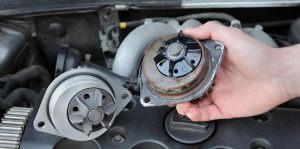
Like any mechanical component, the oil pump is subject to wear and tear over time. The pump’s gears, rotors, or vanes can wear down, reducing its ability to generate pressure and flow. Additionally, the pump’s housing or seals can become damaged, leading to leaks and pressure loss. Regular inspections and timely replacements are crucial to prevent these issues.
Incorrect Oil Viscosity
Using the wrong oil viscosity can also contribute to oil pump failure. If the oil is too thick, the pump will have to work harder to circulate it, potentially leading to overheating and damage. Conversely, if the oil is too thin, it may not provide adequate lubrication, causing increased wear and tear on engine components, which in turn, contaminates the oil and stresses the oil pump.
Low Oil Level
Running the engine with a low oil level is a surefire way to damage the oil pump. When the oil level is low, the pump may suck in air along with the oil, causing cavitation and reducing its ability to generate pressure. Additionally, low oil levels can lead to increased engine temperatures, which can accelerate oil degradation and sludge formation, further contributing to oil pump failure.
Excessive Engine Wear
Pre-existing engine wear can indirectly cause oil pump failure. Worn bearings, piston rings, or cylinder walls can lead to excessive oil consumption and contamination. This puts additional strain on the oil pump and can accelerate its wear and tear. Addressing underlying engine problems is essential to protect the oil pump.
Symptoms of Oil Pump Failure
Recognizing the symptoms of oil pump failure early can help prevent catastrophic engine damage. Here are some common warning signs:
Low Oil Pressure Warning Light
The most obvious symptom of oil pump failure is the illumination of the low oil pressure warning light on the dashboard. This light indicates that the oil pressure is below the minimum acceptable level. Ignoring this warning can lead to severe engine damage within a very short time.
Engine Noise
A failing oil pump can cause unusual engine noises, such as rattling, knocking, or tapping sounds. These noises are often caused by inadequate lubrication of engine components. The sounds may be more pronounced at certain engine speeds or under load.
Overheating Engine
Insufficient lubrication can lead to increased friction and heat within the engine, causing it to overheat. If you notice your engine temperature gauge rising above normal, it could be a sign of oil pump failure.
Reduced Engine Performance
A failing oil pump can reduce engine performance, leading to decreased power, acceleration, and fuel economy. This is because inadequate lubrication can cause increased friction and wear, hindering the engine’s ability to operate efficiently.
Metallic Debris in Oil
If you notice metallic debris in the oil during an oil change, it could be a sign of excessive engine wear caused by oil pump failure. This debris can further damage the oil pump and other engine components.
Engine Stalling
In severe cases, oil pump failure can cause the engine to stall or shut down completely. This is because the lack of lubrication can lead to catastrophic engine damage, preventing it from running.
Diagnosing Oil Pump Failure
If you suspect oil pump failure, it’s essential to have your vehicle inspected by a qualified mechanic. Here are some common diagnostic procedures:
Oil Pressure Test
An oil pressure test involves connecting a gauge to the engine to measure the oil pressure at different engine speeds. This test can help determine if the oil pump is generating adequate pressure.
Visual Inspection
A visual inspection of the oil pump can reveal signs of damage, wear, or contamination. The mechanic may also inspect the oil pump’s intake screen for clogs or debris.
Oil Analysis
An oil analysis can identify the presence of contaminants, such as metal particles or coolant, which can indicate engine wear or other problems that could contribute to oil pump failure.
Checking Oil Pump Electrical Connections (If Applicable)
Some newer vehicles have electronically controlled oil pumps. Checking the electrical connections and wiring can rule out electrical issues as the cause of the problem.
Preventing Oil Pump Failure
Preventing oil pump failure is far more cost-effective than dealing with the consequences of a failed pump. Here are some essential preventive measures:
Regular Oil Changes
Following the manufacturer’s recommended oil change intervals is crucial for maintaining a healthy lubrication system. Use high-quality oil and filters that meet or exceed the vehicle’s specifications. Consider more frequent oil changes if you frequently drive in harsh conditions, such as stop-and-go traffic or extreme temperatures.
Use the Correct Oil Viscosity
Always use the oil viscosity recommended by the vehicle manufacturer. Using the wrong viscosity can put undue strain on the oil pump and lead to premature failure.
Maintain Proper Oil Level
Regularly check the oil level and add oil as needed to maintain the proper level. Low oil levels can starve the oil pump and cause it to fail.
Address Engine Problems Promptly
Address any engine problems, such as leaks or excessive oil consumption, promptly. These problems can put additional strain on the oil pump and accelerate its wear and tear.
Consider Oil Additives
While not always necessary, some oil additives can help improve oil performance and protect against wear. However, it’s important to choose additives carefully and follow the manufacturer’s instructions.
Flush the Engine
Periodically flushing the engine can help remove sludge and deposits that can restrict oil flow. However, engine flushes should be performed with caution, as they can sometimes dislodge debris that can clog oil passages.
Oil Pump Replacement Intervals
Although there’s no set replacement interval for oil pumps, consider replacing it as part of a major engine overhaul or if you notice any signs of wear or reduced performance.
Oil Pump Failure: Key Takeaways
Here’s a summary of the key points discussed in this article:
- Oil pump failure can lead to catastrophic engine damage.
- Common causes include contaminated oil, sludge buildup, worn components, incorrect oil viscosity, and low oil level.
- Symptoms include low oil pressure warning light, engine noise, overheating, and reduced performance.
- Regular oil changes, using the correct oil viscosity, and maintaining proper oil levels are crucial for prevention.
- If you suspect oil pump failure, have your vehicle inspected by a qualified mechanic.
Oil Pump Types
There are primarily two types of oil pumps commonly used in vehicles:
Gear-Type Oil Pumps
Gear-type oil pumps use two gears, an internal gear and an external gear, to pump oil. As the gears rotate, they create a vacuum that draws oil into the pump and then forces it out under pressure. These pumps are known for their reliability and durability.
Rotor-Type Oil Pumps
Rotor-type oil pumps use an inner and outer rotor to pump oil. The inner rotor has lobes that mesh with the outer rotor, creating chambers that draw in oil and then compress it as the rotors rotate. Rotor-type pumps are often more efficient than gear-type pumps and can provide higher oil pressure.
Costs Associated with Oil Pump Failure
The costs associated with oil pump failure can vary significantly depending on the severity of the damage and the vehicle’s make and model. Here’s a breakdown of potential expenses:
Oil Pump Replacement Cost
The cost of replacing an oil pump can range from $200 to $1000 or more, depending on the vehicle and the complexity of the job. This includes the cost of the oil pump itself, as well as labor costs.
Engine Repair Costs
If oil pump failure has caused significant engine damage, repair costs can be much higher. This could involve replacing bearings, pistons, or even the entire engine. Engine repairs can range from several hundred dollars to several thousand dollars.
Towing Costs
If your vehicle breaks down due to oil pump failure, you may need to have it towed to a repair shop. Towing costs can vary depending on the distance and the towing company.
Rental Car Costs
While your vehicle is being repaired, you may need to rent a car. Rental car costs can add up quickly, especially if the repairs take several days or weeks.
| Cost Type | Estimated Range |
|---|---|
| Oil Pump Replacement | $200 – $1000+ |
| Engine Repair | $500 – $5000+ |
| Towing | $50 – $200 |
| Rental Car | $30 – $100 per day |
In conclusion, oil pump failure is a serious issue that can have devastating consequences for your engine. By understanding the causes, recognizing the symptoms, and taking preventive measures, you can significantly reduce the risk of experiencing this problem. Regular maintenance, including oil changes and inspections, is key to keeping your oil pump functioning properly and protecting your engine’s longevity. Don’t ignore warning signs like the low oil pressure light or unusual engine noises. Addressing these issues promptly can save you from costly repairs and keep your vehicle running smoothly for years to come.