When should brake fluid be changed?
When should brake fluid be changed? This vital question ensures your car’s braking system operates at peak performance. The general recommendation is every two years, or roughly every 30,000 miles. However, this can vary based on driving conditions and fluid type. Ignoring this maintenance can lead to compromised braking power...

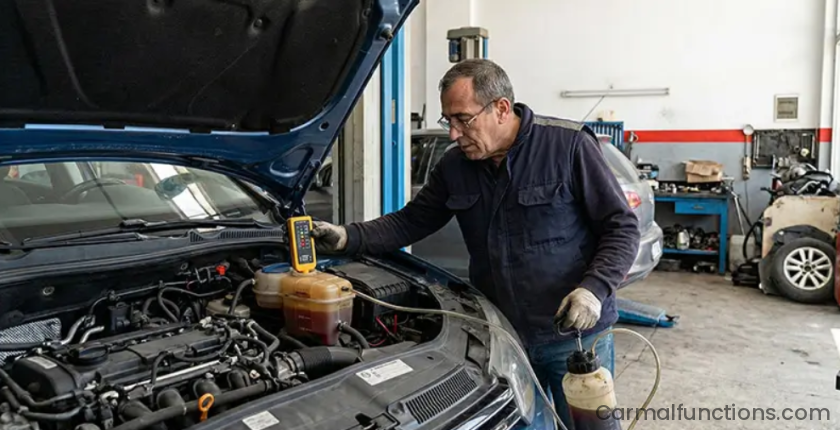
When should brake fluid be changed? This vital question ensures your car’s braking system operates at peak performance. The general recommendation is every two years, or roughly every 30,000 miles. However, this can vary based on driving conditions and fluid type. Ignoring this maintenance can lead to compromised braking power and safety. You will find detailed tables and FAQs below.
- 1. Understanding Brake Fluid and Its Function
- 1.1. The Hygroscopic Nature of Brake Fluid
- 1.2. Types of Brake Fluid
- 2. Why Regular Brake Fluid Changes Are Crucial
- 2.1. Preventing Corrosion
- 2.2. Maintaining Optimal Boiling Point
- 2.3. Ensuring Consistent Braking Performance
- 3. Signs Your Brake Fluid Needs Changing
- 3.1. Spongy or Soft Brake Pedal
- 3.2. Low Brake Fluid Level
- 3.3. Discolored or Dirty Brake Fluid
- 3.4. Brake Warning Light Illuminates
- 3.5. Changes in Braking Feel or Performance
- 4. Recommended Intervals for Brake Fluid Changes
- 4.1. Manufacturer Recommendations
- 4.2. Mileage-Based Recommendations
- 4.3. Impact of Driving Conditions
- 5. Brake Fluid Change Intervals by DOT Type
- 5.1. DOT 3 Brake Fluid
- 5.2. DOT 4 Brake Fluid
- 5.3. DOT 5 Brake Fluid (Silicone-Based)
- 5.4. DOT 5.1 Brake Fluid
- 6. DIY vs. Professional Brake Fluid Change
- 6.1. DIY Brake Fluid Change
- 6.2. Professional Brake Fluid Service
- 7. The Process of Changing Brake Fluid
- 7.1. Step 1: Gather Supplies
- 7.2. Step 2: Locate the Master Cylinder Reservoir
- 7.3. Step 3: Drain Old Fluid
- 7.4. Step 4: Bleed the System
- 7.5. Step 5: Refill with New Fluid
- 7.6. Step 6: Test Brakes
- 8. Brake Fluid Maintenance Schedule Table
- 9. Frequently Asked Questions (FAQs) About Brake Fluid Changes
Understanding Brake Fluid and Its Function
Brake fluid is a hydraulic fluid. It transmits force, enabling your brake pedal to engage the brakes. When you press the pedal, the fluid pushes the brake pads against the rotors. This friction slows and stops your vehicle. The fluid must remain incompressible to perform this task effectively.
The Hygroscopic Nature of Brake Fluid
Brake fluid is hygroscopic. This means it absorbs moisture from the atmosphere. Even tiny amounts of water can significantly degrade its performance. Water lowers the boiling point of the fluid. It also causes corrosion within the braking system. This is a primary reason why regular changes are essential.
Types of Brake Fluid
Brake fluids are classified by DOT (Department of Transportation) standards. Common types include DOT 3, DOT 4, and DOT 5.1. DOT 5 is silicone-based and non-hygroscopic, but it’s not compatible with most systems designed for DOT 3 or DOT 4. Always use the type specified by your vehicle manufacturer. Check your owner’s manual.
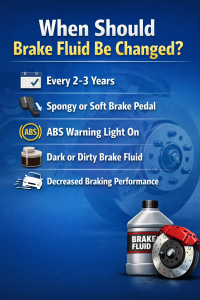
Why Regular Brake Fluid Changes Are Crucial
Regularly changing your brake fluid is not just a recommendation; it’s a safety imperative. Neglecting this maintenance can lead to serious issues. These issues impact both your vehicle’s longevity and your personal safety.
Preventing Corrosion
As brake fluid absorbs moisture, it can lead to internal corrosion. This affects metal components like brake lines, calipers, and the master cylinder. Corrosion weakens these parts. It can eventually cause leaks or complete system failure. Replacing the fluid removes contaminants and moisture, protecting these vital parts.
Maintaining Optimal Boiling Point
Braking generates significant heat. This heat transfers to the brake fluid. If the fluid’s boiling point is too low, it can boil. This creates vapor bubbles in the brake lines. Vapor is compressible, unlike liquid. This leads to a spongy brake pedal. In severe cases, it can result in brake failure, a dangerous situation.
Ensuring Consistent Braking Performance
Contaminated or old brake fluid performs inconsistently. It can lead to longer stopping distances. This is especially noticeable during hard braking or in hot weather. Fresh fluid ensures the hydraulic system works as designed. It provides reliable and predictable braking power when you need it most.
Signs Your Brake Fluid Needs Changing
Your vehicle often provides clues when the brake fluid requires attention. Being observant can help you address potential issues before they become critical.
Spongy or Soft Brake Pedal
A brake pedal that feels softer than usual is a common indicator. If it feels “spongy” or travels further towards the floor, it suggests air or moisture in the lines. Air enters the system typically due to low fluid levels or leaks. Moisture lowers the fluid’s boiling point, leading to vapor formation under heat.
Low Brake Fluid Level
Check your brake fluid reservoir periodically. If the level is consistently low, it might indicate a leak. However, brake pads wear down over time. This naturally causes the fluid level to drop slightly. If the level drops significantly, or if you frequently need to top it off, have your system inspected.
Discolored or Dirty Brake Fluid
New brake fluid is typically clear or slightly amber. Over time, it darkens as it picks up contaminants and moisture. If the fluid in the reservoir appears dark brown or black, it’s a strong sign it needs changing. This discoloration indicates the fluid has degraded and is no longer effective.
Brake Warning Light Illuminates
Your car’s dashboard has a brake warning light. This light can illuminate for several reasons. It might indicate low fluid levels, a parking brake issue, or a more serious problem within the hydraulic system. If this light comes on, check your brake fluid level immediately. Consult your owner’s manual for specific meanings.
Changes in Braking Feel or Performance
Any noticeable change in how your brakes perform warrants attention. This includes a longer stopping distance, squealing noises, or a grinding sensation. While these can stem from worn brake pads or rotors, they can also be related to degraded brake fluid.
Recommended Intervals for Brake Fluid Changes
Vehicle manufacturers provide specific recommendations for brake fluid service. These are general guidelines. Your driving habits and environment play a significant role.
Manufacturer Recommendations
Most car manufacturers suggest changing brake fluid every two years. Some may recommend a slightly longer interval, such as three years. Always refer to your vehicle’s owner’s manual for the most accurate information. This manual is the definitive source for your specific make and model.
Mileage-Based Recommendations
While time is a key factor due to hygroscopy, mileage also plays a role. A common mileage interval is every 30,000 miles. This aligns with the typical two-year service cycle for many drivers. Frequent stop-and-go driving, especially in hilly areas, can accelerate fluid degradation.
Impact of Driving Conditions
Severe driving conditions necessitate more frequent changes. This includes:
* Frequent short trips: The engine and brakes don’t reach optimal operating temperatures. This can lead to condensation within the system.
* Extreme temperatures: Both very hot and very cold climates stress the brake fluid. High temperatures can lower the boiling point more quickly.
* Towing or heavy loads: This puts extra strain on the braking system, generating more heat.
* Driving in humid or wet environments: These conditions increase the rate of moisture absorption.
Brake Fluid Change Intervals by DOT Type
Different types of brake fluid have varying properties. This can influence their service life.
DOT 3 Brake Fluid
DOT 3 is a common type found in many vehicles. It is glycol-ether based and hygroscopic. Due to its moisture absorption, it typically requires changing every two years or 30,000 miles. Its boiling point is lower than DOT 4.
DOT 4 Brake Fluid
DOT 4 is also glycol-ether based but contains borate esters. This gives it a higher dry and wet boiling point than DOT 3. It is still hygroscopic. The recommended change interval is generally two years or 30,000 miles. However, its higher boiling point offers a slight advantage in demanding conditions.
DOT 5 Brake Fluid (Silicone-Based)
DOT 5 fluid is silicone-based. It is hydrophobic, meaning it does not absorb water. This offers a significant advantage in preventing internal corrosion. However, DOT 5 fluid is not compatible with DOT 3 or DOT 4 systems. It also has different bleeding characteristics. If your vehicle uses DOT 5, the change interval might be longer, often 5 years or more. Always confirm compatibility and manufacturer recommendations.
DOT 5.1 Brake Fluid
DOT 5.1 is a glycol-based fluid. It offers the benefits of a high boiling point, similar to DOT 4, but with the compatibility of DOT 3 and DOT 4 systems. It is hygroscopic. Therefore, it requires regular changes, typically every two years or 30,000 miles, similar to DOT 3 and DOT 4.
DIY vs. Professional Brake Fluid Change
Deciding whether to change your brake fluid yourself or have a professional do it involves several considerations.
DIY Brake Fluid Change
A DIY brake fluid change is possible for those with mechanical aptitude. It requires specific tools, such as a fluid extractor or a vacuum bleeder, and a way to dispose of old fluid properly. The process involves draining the old fluid and refilling with new fluid. Bleeding the system is crucial to remove air. Mistakes can lead to brake issues.
Professional Brake Fluid Service
Taking your vehicle to a mechanic offers several advantages. They have the correct equipment and expertise. They can also inspect the entire braking system for other potential issues. This ensures the job is done correctly and safely. The cost is higher, but it provides peace of mind.
The Process of Changing Brake Fluid
Changing brake fluid is a multi-step process. It requires careful attention to detail.
Step 1: Gather Supplies
You will need:
* The correct type and amount of new brake fluid.
* A fluid extractor or vacuum bleeder.
* A clean container for old fluid.
* Gloves and safety glasses.
* Wrench for bleeder screws.
* Clean rags.
Step 2: Locate the Master Cylinder Reservoir
Find the brake fluid reservoir under the hood. It’s usually a translucent plastic container.
Step 3: Drain Old Fluid
Use the fluid extractor to remove as much old fluid as possible from the reservoir. Avoid letting the reservoir run dry.
Step 4: Bleed the System
This is the most critical part. It involves opening the bleeder screws on each caliper or wheel cylinder. You then push new fluid through the system. This forces old fluid and any air out. The order of bleeding is important, usually starting with the wheel furthest from the master cylinder.
Step 5: Refill with New Fluid
Once the old fluid is flushed and the system is bled, refill the reservoir to the correct level with new fluid.
Step 6: Test Brakes
Before driving, pump the brake pedal several times. Ensure it feels firm. Test the brakes at a low speed in a safe area.
Brake Fluid Maintenance Schedule Table
This table provides a general guideline for brake fluid maintenance. Always consult your owner’s manual for specifics.
| Vehicle Age/Mileage | Recommended Action | Notes |
| :—————— | :—————– | :—- |
| Every 2 Years | Change Brake Fluid | Standard interval for most vehicles. |
| Every 30,000 Miles | Change Brake Fluid | Mileage-based guideline, often aligns with 2-year interval. |
| After Heavy Use | Inspect Fluid | Towing, mountains, extreme heat may require more frequent checks. |
| If Symptoms Appear | Immediate Inspection | Spongy pedal, low fluid, warning lights require urgent attention. |
Frequently Asked Questions (FAQs) About Brake Fluid Changes
When should brake fluid be changed?
Brake fluid should typically be changed every two years or around 30,000 miles. This interval can vary based on the fluid type and driving conditions.
What happens if I don’t change my brake fluid?
Not changing brake fluid can lead to corrosion in the braking system, a reduced boiling point (causing potential brake failure), and decreased braking performance.
Can I use a different type of brake fluid?
Always use the specific type of brake fluid recommended by your vehicle manufacturer. Mixing incompatible fluids can damage your braking system. DOT 3, DOT 4, and DOT 5.1 are generally interchangeable if specified, but DOT 5 (silicone-based) is not compatible with glycol-based systems.
How do I know if my brake fluid needs changing?
Signs include a spongy brake pedal, a low fluid level, discolored or dirty fluid, and the brake warning light illuminating on your dashboard.
Is changing brake fluid a difficult job?
It can be done by a DIYer with the right tools and knowledge. However, improper bleeding can cause significant brake problems. Many prefer to have a professional perform this service for safety and peace of mind.
What is the boiling point of brake fluid?
The boiling point varies by type. New DOT 3 fluid has a minimum dry boiling point of 401°F (205°C). Old or contaminated fluid will have a much lower boiling point. DOT 4 and DOT 5.1 have higher boiling points.
Why does brake fluid absorb water?
Brake fluid is hygroscopic, meaning it naturally attracts and absorbs moisture from the surrounding air through microscopic pores in rubber seals and hoses.
Understanding when should brake fluid be changed is fundamental to maintaining a safe and reliable vehicle. Brake fluid degrades over time, primarily due to moisture absorption. This degradation compromises its boiling point and can lead to corrosion within the braking system. Adhering to the general guideline of changing it every two years or 30,000 miles, while considering your specific driving conditions and vehicle manufacturer’s recommendations, is crucial. Regularly checking your brake fluid level and condition, and being aware of signs like a spongy pedal or warning lights, will help you ensure your braking system functions optimally, protecting you and others on the road. Prioritizing this essential maintenance task guarantees consistent stopping power and the overall integrity of your vehicle’s most critical safety feature.