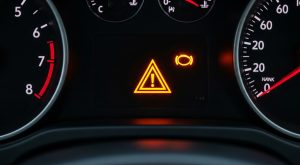
Why Does the Yellow Oil Light Come On
Why Does the Yellow Oil Light Come On? A Comprehensive Guide The appearance of a yellow oil light on your car’s dashboard can be unsettling. It’s a signal from your vehicle that something isn’t quite right with its lubrication system. While it might not always indicate a catastrophic failure, ignoring...

- 1. Why Does the Yellow Oil Light Come On? A Comprehensive Guide
- 2. Understanding the Oil Light: Colors and Meanings
- 2.1. Yellow Oil Light: Low Oil Level or Sensor Issue
- 2.2. Red Oil Light: Low Oil Pressure – Immediate Action Required!
- 3. Common Reasons Why the Yellow Oil Light Comes On
- 3.1. Low Oil Level
- 3.2. Faulty Oil Level Sensor
- 3.3. Sludge Buildup
- 3.4. Oil Leak
- 3.5. Incorrect Oil Viscosity
- 3.6. Worn Piston Rings
- 4. Troubleshooting the Yellow Oil Light
- 4.1. Step 1: Check the Oil Level
- 4.2. Step 2: Inspect for Leaks
- 4.3. Step 3: Consider the Oil Change Interval
- 4.4. Step 4: Scan for Diagnostic Trouble Codes (DTCs)
- 4.5. Step 5: Consult a Mechanic
- 5. Preventative Measures to Avoid Oil Light Issues
- 5.1. Regular Oil Changes
- 5.2. Use High-Quality Oil
- 5.3. Check Oil Level Regularly
- 5.4. Address Leaks Promptly
- 5.5. Monitor Engine Performance
- 6. When to See a Mechanic Immediately
- 7. Understanding Oil Pressure and the Oil Pump
- 8. Oil Types and Viscosity: Choosing the Right Oil
- 9. Table: Common Causes of the Yellow Oil Light and Their Solutions
Why Does the Yellow Oil Light Come On? A Comprehensive Guide
The appearance of a yellow oil light on your car’s dashboard can be unsettling. It’s a signal from your vehicle that something isn’t quite right with its lubrication system. While it might not always indicate a catastrophic failure, ignoring it can lead to severe engine damage. This comprehensive guide will explore the common reasons why does the yellow oil light illuminate, how to diagnose the issue, and what steps you should take to resolve it.
Understanding the Oil Light: Colors and Meanings
It’s crucial to understand the difference between the two types of oil lights: yellow and red. They signify different levels of urgency and potential problems.
Yellow Oil Light: Low Oil Level or Sensor Issue
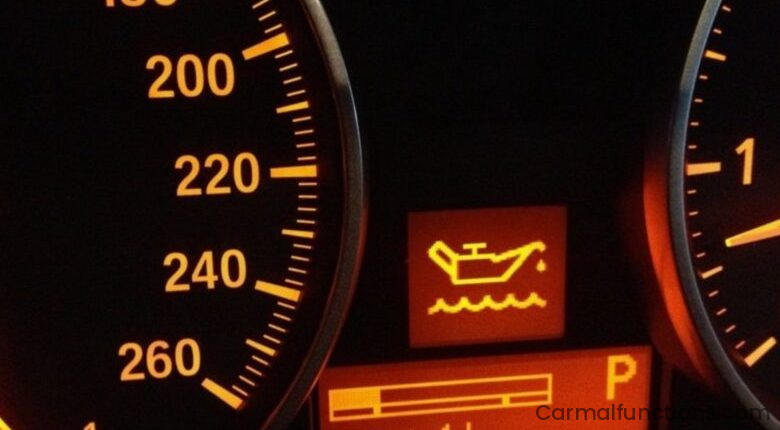
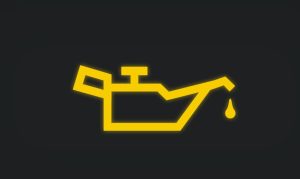
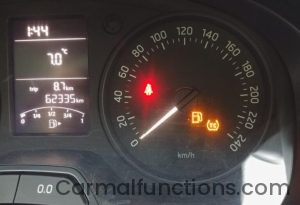
The yellow oil light, often depicted as an oil can with a wavy line underneath, typically indicates a low oil level. It might also signal a malfunction in the oil level sensor itself. In some vehicles, it could represent a problem with the oil quality sensor. This warning usually means you have some time to address the issue, but it shouldn’t be ignored for too long.

Red Oil Light: Low Oil Pressure – Immediate Action Required!
A red oil light, also resembling an oil can, signifies critically low oil pressure. This is a serious warning that demands immediate attention. Low oil pressure means that vital engine components aren’t receiving adequate lubrication, leading to rapid wear and potential engine seizure. Pull over safely as soon as possible and turn off the engine if you see this light.

Common Reasons Why the Yellow Oil Light Comes On
Several factors can trigger the yellow oil light. Here are some of the most frequent culprits:
Low Oil Level
This is the most common reason why does the yellow oil light illuminate. Engines consume oil over time, and leaks can exacerbate the problem. Regular oil checks are essential.
Faulty Oil Level Sensor
Even if your oil level is adequate, a malfunctioning oil level sensor can trigger the light. These sensors can fail due to age, contamination, or electrical issues.
Sludge Buildup
Infrequent oil changes or using low-quality oil can lead to sludge buildup in the engine. This sludge can clog oil passages and interfere with the oil level sensor’s accuracy.
Oil Leak
Leaks from seals, gaskets, or the oil pan can cause a gradual decrease in oil level, eventually triggering the yellow light. Common leak locations include the valve cover gasket, oil pan gasket, and rear main seal.
Incorrect Oil Viscosity
Using the wrong oil viscosity for your vehicle can affect oil pressure and sensor readings. Always consult your owner’s manual for the recommended oil type.
Worn Piston Rings
Worn piston rings can allow oil to enter the combustion chamber, leading to increased oil consumption and potentially triggering the light.
Troubleshooting the Yellow Oil Light
When the yellow oil light appears, follow these steps to diagnose the problem:
Step 1: Check the Oil Level
Park your car on a level surface and wait a few minutes for the oil to settle. Remove the dipstick, wipe it clean, reinsert it fully, and then remove it again. Check the oil level against the “min” and “max” markings on the dipstick. If the level is below the “min” mark, add oil until it reaches the appropriate level. Use the oil type recommended in your owner’s manual.
Step 2: Inspect for Leaks
Examine the area around your engine for any signs of oil leaks. Look for oil stains on the ground beneath your car, as well as around the engine block, oil pan, and valve cover. If you find a leak, have it repaired by a qualified mechanic.
Step 3: Consider the Oil Change Interval
When was your last oil change? If it’s been longer than the recommended interval (usually 3,000-7,500 miles, depending on the oil type and driving conditions), it’s time for a service. Old oil can become sludgy and less effective at lubricating the engine.
Step 4: Scan for Diagnostic Trouble Codes (DTCs)
Use an OBD-II scanner to check for any stored diagnostic trouble codes (DTCs). A DTC related to the oil level sensor or oil pressure could provide valuable clues. Many auto parts stores offer free code scanning services.
Step 5: Consult a Mechanic
If you’ve checked the oil level, inspected for leaks, and scanned for codes, but the yellow oil light persists, it’s best to consult a qualified mechanic. They can perform a more thorough inspection and diagnose the underlying issue.
Preventative Measures to Avoid Oil Light Issues
Proactive maintenance can significantly reduce the risk of encountering oil light problems:
Regular Oil Changes
Adhere to the recommended oil change intervals specified in your owner’s manual. This is the single most important thing you can do to keep your engine healthy.
Use High-Quality Oil
Choose a high-quality oil that meets the specifications for your vehicle. Synthetic oils generally offer better protection and longer intervals than conventional oils.
Check Oil Level Regularly
Make it a habit to check your oil level at least once a month, or more frequently if you notice any signs of oil consumption.
Address Leaks Promptly
If you notice any oil leaks, have them repaired as soon as possible to prevent further damage.
Monitor Engine Performance
Pay attention to any changes in your engine’s performance, such as unusual noises, reduced power, or increased oil consumption. These could be early warning signs of a problem.
When to See a Mechanic Immediately
While the yellow oil light often indicates a less urgent issue than the red light, there are situations where immediate professional attention is necessary:
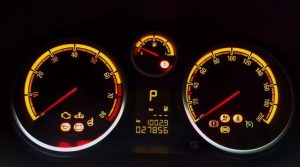
- If the yellow oil light is accompanied by other warning lights, such as the check engine light.
- If you notice a significant drop in oil level within a short period.
- If you hear unusual noises coming from the engine.
- If the engine is overheating.
Understanding Oil Pressure and the Oil Pump
While the yellow light primarily focuses on oil level, it’s important to understand the role of oil pressure and the oil pump. The oil pump is responsible for circulating oil throughout the engine, maintaining adequate pressure to lubricate all moving parts. Low oil pressure, even if the oil level is sufficient, can cause severe engine damage. A failing oil pump or blocked oil passages can lead to low oil pressure, which typically triggers the red oil light, but in some cases, might contribute to issues detected by the oil level sensor, potentially leading to the yellow light illuminating.
Oil Types and Viscosity: Choosing the Right Oil
Selecting the correct oil type and viscosity is crucial for optimal engine performance and longevity. Your vehicle’s owner’s manual will specify the recommended oil viscosity (e.g., 5W-30, 10W-40) and any specific oil standards (e.g., API SN, ILSAC GF-5). Using the wrong oil can lead to inadequate lubrication, increased wear, and potential engine damage. Synthetic oils generally offer better protection and longer intervals than conventional oils, but they may also be more expensive. Consider the climate you live in and your driving habits when choosing an oil.
Table: Common Causes of the Yellow Oil Light and Their Solutions
| Cause | Symptoms | Solution |
|---|---|---|
| Low Oil Level | Yellow oil light, low oil level on dipstick | Add oil to the correct level |
| Faulty Oil Level Sensor | Yellow oil light, oil level appears normal | Replace the oil level sensor |
| Oil Leak | Yellow oil light, oil stains under the car | Repair the oil leak |
| Sludge Buildup | Yellow oil light, dirty oil, potential engine noise | Oil change with engine flush (if appropriate), consider shorter oil change intervals |
| Incorrect Oil Viscosity | Yellow oil light, potential engine noise, reduced performance | Change oil to the correct viscosity |
Why does the yellow oil light come on? As we’ve explored, there are several reasons, ranging from simple issues like low oil levels to more complex problems like sensor malfunctions or engine wear. Promptly addressing the issue is essential to prevent potential engine damage and ensure the longevity of your vehicle. Regularly check your oil level, adhere to recommended oil change intervals, and be vigilant for any signs of leaks or unusual engine behavior. If you’re unsure about the cause of the yellow oil light, consult a qualified mechanic for a professional diagnosis and repair. Ignoring this warning can lead to costly repairs and potentially irreversible engine damage.