Common Problems Identified Through Expert Inspection
Common problems identified through expert inspection are crucial to uncover for buyers, sellers, and property owners. These inspections provide a detailed assessment of a property’s condition. They reveal issues that might not be apparent during a casual walkthrough. Expert inspections cover a wide range of areas. This includes structural integrity,...

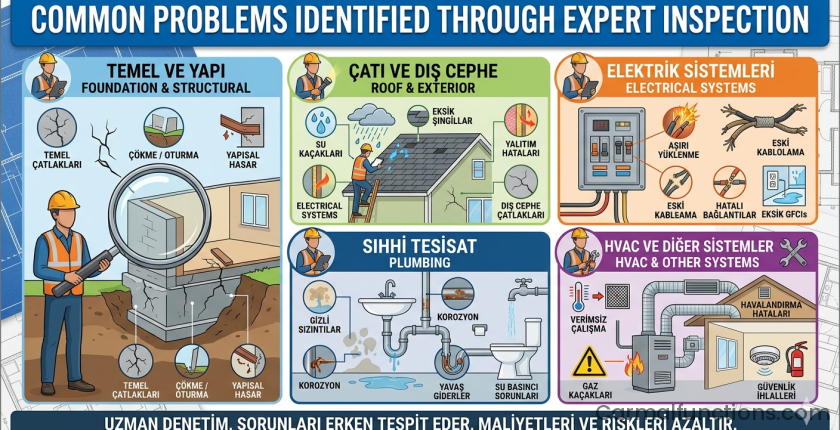
Common problems identified through expert inspection are crucial to uncover for buyers, sellers, and property owners. These inspections provide a detailed assessment of a property’s condition. They reveal issues that might not be apparent during a casual walkthrough. Expert inspections cover a wide range of areas. This includes structural integrity, plumbing, electrical systems, roofing, HVAC, safety hazards, and pest infestations. Understanding these common issues helps in making informed decisions. It also prevents costly surprises and ensures a safe living environment. You will find detailed tables and FAQs below.
- 1. The Critical Role of Expert Inspections
- 2. Structural Integrity: Foundation and Framing Issues
- 2.1. Foundation Problems
- 2.2. Framing and Structural Support
- 3. Plumbing System Deficiencies
- 3.1. Leaks and Pipe Deterioration
- 3.2. Drainage and Water Heater Issues
- 4. Electrical System Hazards
- 4.1. Wiring and Circuitry Problems
- 4.2. Grounding and Protection Devices
- 5. Roofing and Exterior Issues
- 5.1. Shingles, Flashing, and Leaks
- 5.2. Ventilation and Gutters
- 6. HVAC System Defects
- 6.1. Maintenance and Airflow Issues
- 6.2. Furnace and Cooling System Faults
- 7. Safety Hazards and Environmental Concerns
- 7.1. Mold and Pest Infestations
- 7.2. Building Code Violations
- 8. Common Problems Identified Through Expert Inspection: A Summary Table
- 9. Frequently Asked Questions About Expert Inspections
- 9.1. What are the most common issues found during a home inspection?
- 9.2. Why is a professional inspection so important?
- 9.3. Can a home inspector detect all problems?
- 9.4. What is the most critical finding during an inspection?
- 9.5. How much does a home inspection typically cost?
- 10. Conclusion
The Critical Role of Expert Inspections
Expert property inspections are a cornerstone of real estate transactions and ongoing property maintenance. For buyers, an inspection offers invaluable knowledge. It reveals the true condition of a property. This helps avoid expensive surprises later. For sellers, a pre-listing inspection demonstrates transparency. It allows for repairs before listing, preventing delays. Real estate agents rely on inspectors to protect their clients and their own reputations. Inspections provide clarity on a property’s physical state. They facilitate confident decision-making.
A professional inspection is a non-invasive visual assessment. It covers a property’s structure and systems. Inspectors identify major defects, safety concerns, and maintenance needs. Key areas include the foundation, roof, plumbing, electrical systems, HVAC, and interior/exterior surfaces. This process is essential before buying, selling, or renovating.
Structural Integrity: Foundation and Framing Issues
Structural problems are among the most significant common problems identified through expert inspection. These issues can affect a property’s safety and long-term value. Inspectors pay close attention to the foundation and framing.
Foundation Problems
Foundation issues can range from minor cracks to severe instability. Inspectors look for specific warning signs. These include cracks in walls or floors wider than a quarter-inch. Zigzag or horizontal cracks are also red flags. Sticking doors and windows are common symptoms of foundation movement. Bulging or bowing walls and sagging floors also indicate problems.
Causes of foundation issues include ground movement, poor drainage, and faulty building practices. Water accumulation near the foundation from poor drainage is a primary culprit. Natural disasters like earthquakes can also cause damage. Inspectors may recommend further evaluation by structural engineers for significant issues.
Framing and Structural Support
Framing violations are frequent, particularly in older homes or remodels. Inspectors check for issues with strapping and trusses, which are crucial for withstanding wind. Improperly installed connectors and faulty wind braces can compromise the entire structure.
Remodels often present challenges when walls are removed. Beams must be correctly sized for the load they support. Inspectors also look for signs of structural wood rot.
Plumbing System Deficiencies
Plumbing issues are a consistent finding during expert inspections. These problems can range from minor leaks to major system failures. Identifying these early can prevent significant water damage and costly repairs.
Leaks and Pipe Deterioration
Leaking faucets, showerheads, and pipes are common. Even a small drip can waste thousands of gallons of water annually. Inspectors check for visible leaks and signs of hidden leaks, such as water stains on walls or ceilings.
Older homes may have deteriorated piping. This includes galvanized pipes, which can corrode and leach lead. Polybutylene pipes, used from 1978 to 1995, are also problematic and have been banned. Inspectors look for signs of corrosion, leaks, and improper pipe joints.
Drainage and Water Heater Issues
Slow or clogged drains are a frequent complaint. These can indicate deeper issues like blockages in sewer lines, sometimes caused by tree roots. Moisture and drainage issues are among the biggest problems detected, leading to rot, structural damage, and mold.
Water heater problems are also common. These can include insufficient hot water, inconsistent temperatures, or leaks. Sediment buildup and faulty pressure relief valves are often found.
Electrical System Hazards
Electrical issues pose significant fire and safety risks. Inspectors meticulously examine the electrical system for hazards.
Wiring and Circuitry Problems
Outdated or improper wiring is a major concern. This includes older systems like knob-and-tube or aluminum wiring, which may not meet modern energy demands. Degradation of older wiring can lead to unsafe conditions.
Exposed wires, open splices, and improperly secured cables are also identified. Overloaded circuits, where too many appliances share a circuit, can cause overheating.
Grounding and Protection Devices
Improper or missing grounding is a serious safety issue. It increases the risk of electrical shock.
Faulty or missing Ground Fault Circuit Interrupter (GFCI) outlets are frequently found. GFCIs are crucial safety devices, especially in wet locations like kitchens and bathrooms. Inspectors also check circuit breakers for proper function and sizing.
Roofing and Exterior Issues
Roofing problems are consistently among the most common defects found during inspections. A compromised roof can lead to extensive damage throughout the property.
Shingles, Flashing, and Leaks
Damaged or missing shingles are a frequent finding. Inspectors look for cracked, broken, or missing shingles, which are signs of wear and tear.
Inadequate or damaged roof flashing is critical. Flashing prevents water intrusion at joints, vents, and chimneys. Roof leaks are a significant concern, often indicated by water stains on ceilings. These leaks can cause mold growth, rot, and structural damage.
Ventilation and Gutters
Poor roof ventilation is another common issue. It can lead to heat buildup in summer and moisture accumulation in winter. This damages roofing materials and the underlying structure.
Gutter and downspout problems are also inspected. Clogged or damaged gutters can cause water to overflow. This leads to erosion around the foundation and potential water damage.
HVAC System Defects
The Heating, Ventilation, and Air Conditioning (HVAC) system is vital for comfort and air quality. Inspectors identify several common HVAC problems.
Maintenance and Airflow Issues
Dirty or clogged air filters are the most common HVAC defect. This restricts airflow, reduces efficiency, and degrades indoor air quality.
Lack of regular maintenance can lead to dirty coils, loose connections, and other issues. Inadequate airflow can also result from blocked vents or undersized ductwork.
Furnace and Cooling System Faults
Furnace inspections check for safety and efficiency. Issues like gas leaks from a cracked heat exchanger are critical safety concerns. Refrigerant leaks in cooling equipment reduce capacity and efficiency.
Thermostat problems, such as incorrect calibration or malfunctions, lead to inconsistent temperature control. Leaky ductwork causes conditioned air loss, reducing efficiency.
Safety Hazards and Environmental Concerns
Expert inspections also focus on identifying potential health and safety hazards. These can range from mold and pests to unsafe building practices.
Mold and Pest Infestations
Mold growth is a significant concern. It often results from undetected water leaks or poor ventilation. Mold can cause respiratory issues and allergic reactions.
Pest infestations, including rodents, cockroaches, ants, and termites, are also identified. Pests can damage insulation, wiring, and structural components. They also pose health risks by carrying diseases and contaminating food.
While standard home inspectors may not perform a detailed pest inspection, they will note obvious signs of pest damage or conditions that attract pests. For specific pest concerns, a pest control professional should be consulted.
Building Code Violations
Building code violations occur when properties fail to meet safety and accessibility standards. Common violations include handrail deficiencies, improper fire-stopping, and egress path obstructions. Electrical issues like lack of GFCI protection are also frequently cited.
These violations can lead to fines, liability exposure, and increased insurance premiums. Addressing them proactively is crucial for compliance and safety.
Common Problems Identified Through Expert Inspection: A Summary Table
| Category | Common Problems Identified | Potential Impact |
|---|---|---|
| Structural | Foundation cracks, uneven settling, bowing walls, framing issues, improper load-bearing support. | Compromised stability, safety hazards, costly repairs, reduced property value. |
| Plumbing | Leaky faucets/pipes, slow drains, clogged sewer lines, water heater issues, outdated piping (galvanized, polybutylene). | Water damage, mold growth, high water bills, structural damage, health risks. |
| Electrical | Outdated wiring, exposed wires, overloaded circuits, improper grounding, faulty GFCI outlets, faulty breakers. | Fire hazards, electrical shocks, equipment damage, power outages. |
| Roofing | Damaged/missing shingles, flashing failures, roof leaks, poor ventilation, clogged gutters, sagging roof deck. | Water intrusion, mold, structural damage, interior damage, increased energy costs. |
| HVAC | Dirty filters, inadequate maintenance, refrigerant leaks, thermostat issues, leaky ductwork, poor airflow. | Reduced efficiency, poor air quality, inconsistent temperatures, higher energy bills, system strain. |
| Safety & Environmental | Mold growth, pest infestations (rodents, termites, etc.), fire hazards, inadequate fire protection systems, building code violations. | Health problems, structural damage, safety risks, legal penalties, reduced property value. |
Frequently Asked Questions About Expert Inspections
What are the most common issues found during a home inspection?
The most common issues include problems with the foundation, plumbing leaks, electrical system deficiencies, roofing defects like damaged shingles and leaks, and HVAC system issues such as dirty filters and poor airflow. Safety hazards like mold and pest infestations are also frequently identified.
Why is a professional inspection so important?
A professional inspection is crucial because it reveals hidden defects and potential safety hazards that an untrained eye might miss. This knowledge empowers buyers to make informed decisions, negotiate effectively, and avoid costly surprises after purchase. For sellers, it helps identify and address issues before listing, leading to a smoother sale.
Can a home inspector detect all problems?
Home inspectors are trained to conduct thorough visual assessments. However, they cannot see behind walls or within inaccessible areas. Some issues, like deeply hidden structural damage or specific pest infestations, might require specialized inspections (e.g., pest control, structural engineer).
What is the most critical finding during an inspection?
The most critical findings are typically those that pose immediate safety risks or could lead to extensive, costly damage if not addressed promptly. This includes major structural issues, significant electrical hazards (like faulty wiring or overloaded panels), active water intrusion leading to mold, or compromised HVAC systems that could emit carbon monoxide.
How much does a home inspection typically cost?
The cost of a home inspection varies depending on location, property size, and the inspector’s experience. Generally, it can range from $300 to $600 for a standard home inspection.
Conclusion
Understanding the common problems identified through expert inspection is vital for any property owner or prospective buyer. These inspections serve as a critical safeguard, uncovering issues that range from minor maintenance needs to serious safety hazards. By addressing problems with the foundation, plumbing, electrical systems, roof, HVAC, and by being aware of potential pest infestations and safety hazards, property owners can protect their investment, ensure the well-being of occupants, and maintain a safe and functional living environment. Leveraging the expertise of qualified inspectors provides peace of mind and empowers informed decision-making throughout the property lifecycle.