Is wrapping or painting a car more sensible option?
Choosing between wrapping and painting your car is a significant decision. Both methods can transform your vehicle’s appearance. However, they offer different benefits and drawbacks. Understanding these differences is key to making the right choice for your needs and budget. This guide will help you determine if wrapping or painting...

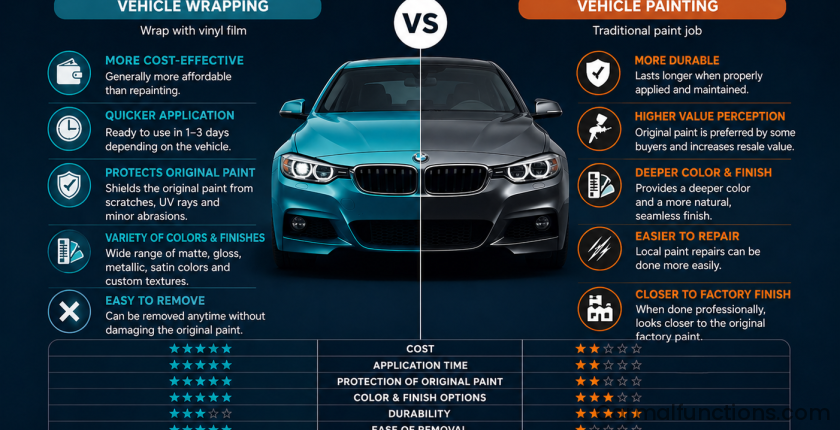
Choosing between wrapping and painting your car is a significant decision. Both methods can transform your vehicle’s appearance. However, they offer different benefits and drawbacks. Understanding these differences is key to making the right choice for your needs and budget. This guide will help you determine if wrapping or painting a car is a more sensible option for you. You will find detailed tables and FAQs below.
- 1. Understanding the Core Differences: Wrapping vs. Painting
- 1.1. Cost Considerations: Is Wrapping or Painting a Car More Sensible Option?
- 1.1.1. DIY vs. Professional Application Costs
- 1.2. Durability and Longevity: Is Wrapping or Painting a Car More Sensible Option?
- 1.2.1. Environmental Factors and Durability
- 1.3. Maintenance and Care: What’s Easier for Wrapping or Painting a Car?
- 1.3.1. Car Paint Maintenance
- 1.3.2. Car Wrap Maintenance
- 1.4. Customization and Design Options
- 1.4.1. Wrapping for Customization
- 1.4.2. Painting for Customization
- 1.5. Protection and Resale Value
- 1.5.1. Paint Protection
- 1.5.2. Wrap Protection and Resale Value
- 1.6. Environmental Impact
- 1.6.1. Environmental Benefits of Wrapping
- 1.6.2. Environmental Impact of Painting
- 1.7. Can You Paint Over a Car Wrap or Wrap Over Paint?
- 2. Comparing Wrapping vs. Painting: Key Differences at a Glance
- 2.1. Frequently Asked Questions About Wrapping vs. Painting a Car
Understanding the Core Differences: Wrapping vs. Painting
At its heart, a vinyl wrap is a large, adhesive film applied over your car’s existing paint. It can completely change your vehicle’s color, add graphics, or even create finishes like matte or chrome. The original paint remains underneath, protected by the wrap. Painting, on the other hand, is a more permanent process. It involves refinishing the car’s surface with layers of primer, color, and clear coat. Once painted, the new color is permanent unless you repaint it again.
Cost Considerations: Is Wrapping or Painting a Car More Sensible Option?
Cost is often a primary deciding factor when considering wrapping or painting a car. Generally, car wraps are the more budget-friendly option upfront. Prices for a full car wrap typically range from $1,000 to $5,000, with high-end wraps potentially costing up to $5,000. Professional paint jobs, however, can be significantly more expensive. A basic paint job can start around $3,000 to $5,000 and can climb to over $10,000, with some high-quality finishes reaching $20,000 or more.

Several factors influence these costs. For wraps, material quality, vehicle size, and design complexity play a role. For paint jobs, the extent of preparation work, the type and quality of paint used, and the complexity of the design all contribute to the final price. While a wrap offers a lower initial investment, it’s important to consider the long-term costs, as wraps typically have a shorter lifespan than paint and will eventually need replacement.
DIY vs. Professional Application Costs
When considering DIY options, the cost can be lower, but the quality may suffer. DIY car painting kits can range from $100 to $500, but achieving a professional finish is challenging without specialized equipment and expertise. Similarly, DIY car wrapping can be cheaper, but improper installation can lead to premature peeling or bubbling. Professional installation ensures a higher quality finish and greater durability for both wraps and paint jobs.
Durability and Longevity: Is Wrapping or Painting a Car More Sensible Option?
The lifespan of your car’s new look is a crucial consideration. High-quality automotive paint jobs are known for their longevity. With proper care and maintenance, a professional paint job can last anywhere from 5 to 10 years, or even longer, potentially up to 15 years for factory paint. Factors like the quality of the paint, environmental exposure, and maintenance practices significantly impact its lifespan.
Vinyl car wraps, while durable, generally have a shorter lifespan. A high-quality wrap typically lasts between 3 to 7 years, with some sources suggesting 5 to 7 years as an average. Factors such as the quality of the vinyl material, installation precision, exposure to the elements (UV rays, extreme temperatures), and vehicle usage all affect how long a wrap will last. Glossy wraps tend to be more durable than matte finishes, and specialty finishes like chrome or fluorescent wraps have even shorter lifespans.
Environmental Factors and Durability
Both wraps and paint are susceptible to environmental damage. Prolonged UV exposure can cause paint to fade and wraps to degrade. Extreme temperatures, harsh weather, road salt, and contaminants like bird droppings or tree sap can affect both finishes, though paint may be more resilient to minor scratches and sun damage over time when properly protected. Regular maintenance is key to extending the life of both paint and wraps.
Maintenance and Care: What’s Easier for Wrapping or Painting a Car?
Maintaining the appearance of your car is essential, whether it’s painted or wrapped.
Car Paint Maintenance
Keeping a car’s paint in good condition involves regular washing and drying, applying high-quality wax or paint sealant every few months, and parking in shaded areas to minimize UV exposure. Avoid harsh chemicals and abrasive cleaning tools. Promptly addressing chips and scratches is also crucial to prevent further damage and rust. While wax offers shine, synthetic sealants or ceramic coatings provide longer-lasting protection.
Car Wrap Maintenance
Car wraps require careful cleaning to maintain their appearance and longevity. Regular washing (ideally every two weeks) with mild, automotive-specific soap and a soft cloth or microfiber mitt is recommended. Avoid abrasive tools, harsh chemicals, and automatic car washes with stiff brushes, as these can damage the vinyl. Spot cleaning of contaminants like bug splatter or bird droppings should be done promptly. Unlike paint, wraps generally do not require waxing or polishing, but some owners opt for a synthetic wax or sealant for added protection. Storing the vehicle in a garage or shaded area can significantly extend the wrap’s lifespan.
Customization and Design Options
When it comes to changing your car’s look, both wrapping and painting offer extensive customization, but with different approaches.
Wrapping for Customization
Vinyl wraps offer unparalleled flexibility in terms of design. You can choose from an enormous array of colors, finishes (gloss, satin, matte, chrome), textures, and even custom graphics or logos. This allows for bold statements, advertising, or simply a unique personal touch. A significant advantage of wraps is their removability. If you want to change your car’s look again, a wrap can be removed without damaging the original paint, allowing for frequent style updates.
Painting for Customization
A paint job also provides a vast spectrum of colors and finishes. Professional painters can achieve intricate blending techniques and custom effects that may be difficult or impossible with wraps. While paint offers a permanent color change, it lacks the easy removability of a wrap. If you decide to change the color again, a new paint job is required.
Protection and Resale Value
Both options offer a degree of protection for your car’s original paint.
Paint Protection
A fresh coat of paint seals the car’s exterior, guarding against rust and the elements. It’s a more permanent way to protect the car’s body. However, once damaged, repairing small areas of paint can be more complex and costly than addressing a wrap.
Wrap Protection and Resale Value
A vinyl wrap acts as a protective shield, defending against minor dings, scratches, and UV rays. This is particularly beneficial for preserving the original paint underneath. When it comes time to sell the car, a well-maintained original paint job, protected by a wrap, can significantly boost resale value. Furthermore, the wrap is removable, allowing the new owner to revert to the original color or apply their own customizations. Painting a car, conversely, makes permanent alterations that can sometimes diminish resale value if not done to a very high standard.
Environmental Impact
Both methods have environmental considerations, but wraps generally have a lower impact.
Environmental Benefits of Wrapping
Vinyl wraps produce fewer volatile organic compounds (VOCs) during application compared to traditional paints. The application process for wraps is also more energy-efficient and generates less waste. Additionally, vinyl materials are often recyclable. Wraps protect the original paint, potentially extending the vehicle’s life and reducing the need for premature replacement, further decreasing environmental impact.
Environmental Impact of Painting
Traditional paint jobs involve VOCs, hazardous waste from solvents and materials, and energy-intensive curing processes. While some paint shops are adopting greener practices, the inherent nature of painting involves more environmental challenges.
Can You Paint Over a Car Wrap or Wrap Over Paint?
It is technically possible to paint over a car wrap, but it’s generally not recommended for long-term quality or protection. Painting over vinyl can lead to adhesion issues and costly rework. The vinyl’s flexible nature differs from paint’s rigid requirements. While some specialized, temporary applications might allow for painting over a wrap, it’s not a standard or advisable practice for a durable finish.
Conversely, you can apply a vinyl wrap over an existing, well-maintained paint job. In fact, this is how wraps function – they are applied on top of the car’s factory or repainted surface.
Comparing Wrapping vs. Painting: Key Differences at a Glance
| Feature | Car Wrapping | Car Painting |
| Initial Cost | $1,000 – $5,000 | $3,000 – $10,000+ |
| Durability/Lifespan| 3-7 years | 5-10+ years (can reach 15+ years with care) |
| Maintenance | Gentle washing, avoid abrasives, spot clean stains | Regular washing, waxing, sealing, prompt scratch repair |
| Customization | Extensive colors, finishes, graphics; removable | Wide color/finish range; permanent |
| Protection | Shields original paint from minor damage | Seals body, protects against rust and elements |
| Resale Value | Preserves original paint, can increase value | Can decrease value if not high quality; permanent change |
| Environmental Impact| Lower VOCs, less waste, recyclable | Higher VOCs, more waste, energy-intensive |
| Repairability | Easier and cheaper for minor damage | More complex and costly for minor damage |
| Downtime | Faster installation, less downtime | Longer process due to drying and curing |
Frequently Asked Questions About Wrapping vs. Painting a Car
Q1: Which option is better for a temporary color change?
A: Car wrapping is the better option for temporary color changes. Wraps can be easily removed without damaging the original paint, allowing you to switch colors or revert to the original look as needed.
Q2: Can a car wrap cover up minor scratches or imperfections in the paint?
A: While a wrap can cover minor surface imperfections, significant scratches, dents, or rust underneath will often show through the vinyl. The paint must be in good condition for the wrap to adhere properly and look its best.
Q3: How long does it take to wrap or paint a car?
A: Wrapping a car is generally much faster. A professional wrap installation can often be completed within a week, with minimal downtime for the owner. Painting a car is a more involved process that can take several days to weeks, including preparation, painting, and curing time.
Q4: Is a car wrap a good investment for business branding?
A: Yes, car wraps are an excellent and cost-effective way for businesses to brand their vehicles. They act as mobile advertisements, offering high visibility and customization options at a lower cost than custom paint jobs for a fleet.
Q5: Can I paint over a damaged paint job?
A: It is not recommended to paint over a damaged paint job. Proper preparation, including repairing dents, scratches, and rust, is crucial for a lasting and high-quality paint finish. Painting over damage will likely result in the imperfections showing through the new paint.
Ultimately, deciding is wrapping or painting a car more sensible option depends on your specific goals. If you prioritize cost-effectiveness, design flexibility, and the ability to change your car’s look frequently, wrapping is likely the more sensible choice. It offers a protective layer for your original paint and can enhance resale value by preserving it. However, if you seek a permanent, long-lasting finish with superior depth and gloss, and plan to keep your vehicle for many years, a high-quality paint job might be the better investment, provided you commit to its ongoing maintenance.
Both wrapping and painting can significantly enhance your vehicle’s aesthetics and appeal. By carefully considering the factors of cost, durability, maintenance, and your personal preferences, you can confidently choose the option that best suits your needs and budget.