Insurance for LPG Vehicles
Insurance for LPG Vehicles A Comprehensive Guide Understanding LPG Vehicles and Their Insurance Needs Liquefied Petroleum Gas (LPG) vehicles are becoming increasingly popular due to their lower running costs and reduced emissions compared to traditional gasoline or diesel vehicles. However, insuring an LPG vehicle involves specific considerations that differ from...

- 1. Insurance for LPG Vehicles A Comprehensive Guide
- 1.1. Understanding LPG Vehicles and Their Insurance Needs
- 1.2. What is an LPG Vehicle?
- 1.3. Why Do LPG Vehicles Need Specific Insurance?
- 2. Types of Insurance Coverage for LPG Vehicles
- 2.1. Third-Party Liability Insurance
- 2.2. Comprehensive Insurance
- 2.3. Add-on Coverage Options
- 3. Factors Affecting the Cost of Insurance for LPG Vehicles
- 3.1. Vehicle Factors
- 3.2. Driver Factors
- 3.3. Insurance Policy Factors
- 4. Choosing the Right Insurance Policy for Your LPG Vehicle
- 4.1. Compare Quotes from Multiple Insurers
- 4.2. Read the Policy Terms and Conditions Carefully
- 4.3. Ensure LPG System Coverage is Included
- 4.4. Consider Add-on Coverage Options
- 4.5. Check the Insurer’s Claim Settlement Ratio
- 5. Maintaining Your LPG Vehicle for Insurance Purposes
- 5.1. Regular Servicing
- 5.2. LPG System Inspection
- 5.3. Proper Ventilation
- 5.4. Addressing Issues Promptly
- 6. Making a Claim on Your LPG Vehicle Insurance
- 6.1. Notify the Insurer Immediately
- 6.2. Gather Evidence
- 6.3. Complete the Claim Form
- 6.4. Cooperate with the Insurer
- 6.5. Follow Up on Your Claim
- 7. The Future of Insurance for LPG Vehicles
- 7.1. More Specialized Policies
- 7.2. Advanced Technology Integration
- 7.3. Increased Awareness and Education
Insurance for LPG Vehicles A Comprehensive Guide
Understanding LPG Vehicles and Their Insurance Needs
Liquefied Petroleum Gas (LPG) vehicles are becoming increasingly popular due to their lower running costs and reduced emissions compared to traditional gasoline or diesel vehicles. However, insuring an LPG vehicle involves specific considerations that differ from standard car insurance policies. This comprehensive guide will delve into the intricacies of insurance for LPG vehicles, covering everything from coverage options and costs to choosing the right policy.
What is an LPG Vehicle?
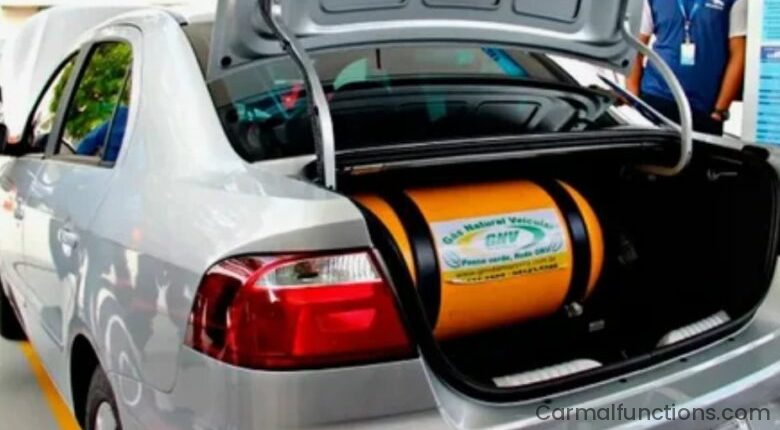
An LPG vehicle is a vehicle that runs on Liquefied Petroleum Gas as its primary fuel source. This can be achieved through a factory-fitted LPG system or by converting a gasoline vehicle to run on LPG. LPG is a mixture of propane and butane, and it’s stored in a pressurized tank within the vehicle.
Why Do LPG Vehicles Need Specific Insurance?
While basic car insurance covers the standard risks associated with driving, LPG vehicles have additional considerations due to the presence of the LPG system. These include:

- Risk of LPG Tank Damage: The LPG tank itself can be damaged in an accident, leading to leaks or explosions.
- Specialized Repairs: Repairs to the LPG system require specialized knowledge and equipment.
- Third-Party Liability: In the event of an accident caused by a fault in the LPG system, the insurance needs to cover third-party liabilities.
Types of Insurance Coverage for LPG Vehicles
When seeking insurance for LPG vehicles, it’s crucial to understand the different types of coverage available. The most common types include:
Third-Party Liability Insurance
This is the most basic and often legally required type of insurance. It covers damages or injuries caused to third parties in an accident where you are at fault. While it doesn’t cover damages to your own vehicle, it protects you from financial liabilities arising from accidents you cause.
Comprehensive Insurance
Comprehensive insurance provides broader coverage, including:
- Third-Party Liability: As mentioned above.
- Damage to Your Vehicle: Covers damages to your LPG vehicle due to accidents, theft, vandalism, fire, or natural disasters.
- LPG System Coverage: Specifically covers damage to the LPG tank, fuel lines, and other components of the LPG system.
Add-on Coverage Options
In addition to the standard insurance types, several add-on coverage options can further enhance your protection:
- Personal Accident Cover: Provides compensation for injuries or death resulting from an accident.
- Roadside Assistance: Offers assistance in case of breakdowns, flat tires, or other emergencies.
- Zero Depreciation Cover: Ensures that you receive the full replacement cost of damaged parts without depreciation being factored in.
- Engine Protection Cover: Protects the engine from damage due to waterlogging or other unforeseen events.
Factors Affecting the Cost of Insurance for LPG Vehicles
The cost of insurance for LPG vehicles is influenced by several factors, similar to standard car insurance, but with some LPG-specific considerations:
Vehicle Factors
- Make and Model: More expensive vehicles typically have higher insurance premiums.
- Age of the Vehicle: Older vehicles may have lower premiums but could also require more repairs.
- LPG Conversion Kit: The type and quality of the LPG conversion kit can affect the premium. Certified and reputable kits are often viewed more favorably by insurers.
Driver Factors
- Age and Experience: Younger and less experienced drivers usually pay higher premiums.
- Driving History: A clean driving record with no accidents or traffic violations results in lower premiums.
- Location: Urban areas with higher traffic density tend to have higher insurance rates.
Insurance Policy Factors
- Coverage Type: Comprehensive insurance is more expensive than third-party liability insurance.
- Add-on Coverage: Adding extra coverage options increases the premium.
- Deductible: A higher deductible (the amount you pay out-of-pocket in case of a claim) lowers the premium.
Here’s a table summarizing the key factors affecting insurance costs:
| Factor | Impact on Premium |
|---|---|
| Vehicle Make and Model | Higher for expensive vehicles |
| Driver Age and Experience | Higher for young/inexperienced drivers |
| Driving History | Higher for drivers with accidents/violations |
| Coverage Type | Higher for comprehensive coverage |
| Deductible | Lower with a higher deductible |
Choosing the Right Insurance Policy for Your LPG Vehicle
Selecting the right insurance for LPG vehicles requires careful consideration. Here are some key steps to follow:
Compare Quotes from Multiple Insurers
Don’t settle for the first quote you receive. Obtain quotes from several different insurance companies to compare their coverage options, premiums, and customer service ratings.
Read the Policy Terms and Conditions Carefully
Before committing to a policy, thoroughly read the terms and conditions. Pay attention to exclusions, limitations, and the claims process.
Ensure LPG System Coverage is Included
Confirm that the policy specifically covers damage to the LPG system. Some policies may exclude or limit coverage for LPG-related incidents.
Consider Add-on Coverage Options
Evaluate your specific needs and consider whether add-on coverage options like personal accident cover or roadside assistance would be beneficial.
Check the Insurer’s Claim Settlement Ratio
The claim settlement ratio indicates the percentage of claims an insurer has successfully settled. A higher ratio generally indicates a more reliable insurer.
Maintaining Your LPG Vehicle for Insurance Purposes
Proper maintenance of your LPG vehicle is essential not only for safety but also for ensuring that your insurance policy remains valid. Regular maintenance helps prevent accidents and reduces the risk of LPG system failures.
Regular Servicing
Schedule regular servicing appointments with a qualified LPG technician. This includes checking the LPG tank, fuel lines, and other components for leaks or damage.
LPG System Inspection
Have the LPG system inspected annually to ensure it meets safety standards and regulations.
Proper Ventilation
Ensure proper ventilation in the vehicle to prevent the buildup of LPG fumes. This is especially important in enclosed spaces like garages.
Addressing Issues Promptly
If you notice any issues with the LPG system, such as a gas smell or unusual engine performance, address them promptly by taking the vehicle to a qualified technician.
Making a Claim on Your LPG Vehicle Insurance
In the unfortunate event of an accident or damage to your LPG vehicle, knowing how to make a claim is crucial.
Notify the Insurer Immediately
Contact your insurance company as soon as possible after the incident. Provide them with all the necessary details, including the date, time, and location of the incident, as well as a description of the damage.
Gather Evidence
Collect evidence to support your claim, such as photos of the damage, police reports (if applicable), and repair estimates.
Complete the Claim Form
Fill out the claim form provided by the insurer accurately and completely. Ensure you provide all the required information and documentation.
Cooperate with the Insurer
Cooperate with the insurer’s investigation and provide any additional information or documents they may request.
Follow Up on Your Claim
Regularly follow up with the insurer to check on the status of your claim and address any questions or concerns they may have.
The Future of Insurance for LPG Vehicles
As LPG vehicles become more prevalent, the insurance industry is adapting to meet their specific needs. We can expect to see:
More Specialized Policies
Insurance companies may offer more specialized policies tailored specifically to LPG vehicles, with enhanced coverage for LPG system-related risks.
Advanced Technology Integration
Telematics and other advanced technologies may be used to monitor LPG system performance and driving behavior, potentially leading to more accurate and personalized insurance premiums.
Increased Awareness and Education
Greater awareness and education about the specific insurance needs of LPG vehicles will help consumers make informed decisions and choose the right coverage.
Choosing the right insurance for LPG vehicles requires careful consideration of your individual needs and circumstances. By understanding the different types of coverage available, the factors that affect the cost of insurance, and the importance of proper maintenance, you can ensure that your LPG vehicle is adequately protected. Remember to compare quotes from multiple insurers, read the policy terms and conditions carefully, and maintain your vehicle in good condition to minimize risks and keep your insurance premiums affordable. As the popularity of LPG vehicles continues to grow, the insurance industry will undoubtedly evolve to offer even more specialized and comprehensive coverage options.