Car Trouble Signs
Car Trouble Signs Recognizing and Addressing Potential Issues Your car is a complex machine, and like any machine, it can experience problems. Recognizing car trouble signs early can save you money on costly repairs and prevent dangerous situations. This comprehensive guide will help you identify common warning signs and understand...

- 1. Car Trouble Signs
- 1.0.1. Recognizing and Addressing Potential Issues
- 1.1. Understanding the Importance of Early Detection
- 1.1.1. Benefits of Addressing Car Trouble Signs Promptly
- 1.2. Common Engine Trouble Signs
- 1.2.1. Unusual Noises
- 1.2.2. Reduced Performance
- 1.2.3. Warning Lights
- 1.2.4. Other Engine Trouble Signs
- 1.3. Brake Trouble Signs
- 1.3.1. Squealing or Grinding Noises
- 1.3.2. Pulling to One Side
- 1.3.3. Spongy or Soft Brake Pedal
- 1.3.4. Vibration When Braking
- 1.3.5. Brake Warning Light
- 1.4. Transmission Trouble Signs
- 1.4.1. Slipping Gears
- 1.4.2. Rough Shifting
- 1.4.3. Delayed Engagement
- 1.4.4. Unusual Noises
- 1.5. Electrical Trouble Signs
- 1.5.1. Dim or Flickering Lights
- 1.5.2. Dead Battery
- 1.5.3. Problems with Power Windows or Locks
- 1.5.4. Blown Fuses
- 1.5.5. Warning Lights
- 1.6. Common Car Trouble Signs and Potential Causes
- 1.7. Preventive Maintenance: Avoiding Car Trouble
- 1.7.1. Regular Oil Changes
- 1.7.2. Fluid Checks
- 1.7.3. Tire Maintenance
- 1.7.4. Brake Inspections
- 1.7.5. Tune-ups
Car Trouble Signs
Recognizing and Addressing Potential Issues
Your car is a complex machine, and like any machine, it can experience problems. Recognizing car trouble signs early can save you money on costly repairs and prevent dangerous situations. This comprehensive guide will help you identify common warning signs and understand what they might indicate.
Understanding the Importance of Early Detection
Ignoring car trouble signs can lead to more significant damage and potentially put you and others at risk. Early detection allows you to address issues before they escalate, saving you time, money, and stress. Regular maintenance and paying attention to your car’s behavior are crucial for safe and reliable driving.
Benefits of Addressing Car Trouble Signs Promptly
- Reduced repair costs: Small problems are usually cheaper to fix than major ones.
- Improved safety: Addressing safety-related issues like brake problems can prevent accidents.
- Increased vehicle lifespan: Regular maintenance and timely repairs can extend the life of your car.
- Better fuel efficiency: Addressing engine problems can improve your car’s fuel economy.
- Peace of mind: Knowing your car is in good condition reduces stress and anxiety.

Common Engine Trouble Signs
The engine is the heart of your car, and any problems with it can significantly impact performance and reliability. Here are some common engine trouble signs to watch out for:
Unusual Noises
Pay attention to any new or unusual noises coming from your engine. These could indicate a variety of problems.
- Knocking: A knocking sound can indicate worn bearings or low oil pressure.
- Ticking: A ticking sound might be caused by a valve issue or low oil.
- Squealing: A squealing sound could indicate a loose or worn belt.
- Hissing: A hissing sound might be caused by a coolant leak.
Reduced Performance
A noticeable decrease in your car’s performance can also be a sign of engine trouble.
- Hesitation during acceleration: This could indicate a problem with the fuel system or ignition system.
- Loss of power: A loss of power can be caused by a variety of issues, including a clogged air filter or a faulty sensor.
- Rough idling: Rough idling can be a sign of a vacuum leak or a problem with the fuel injectors.
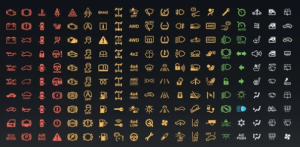
Warning Lights
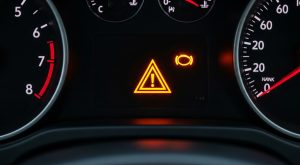
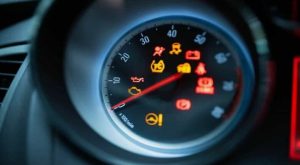
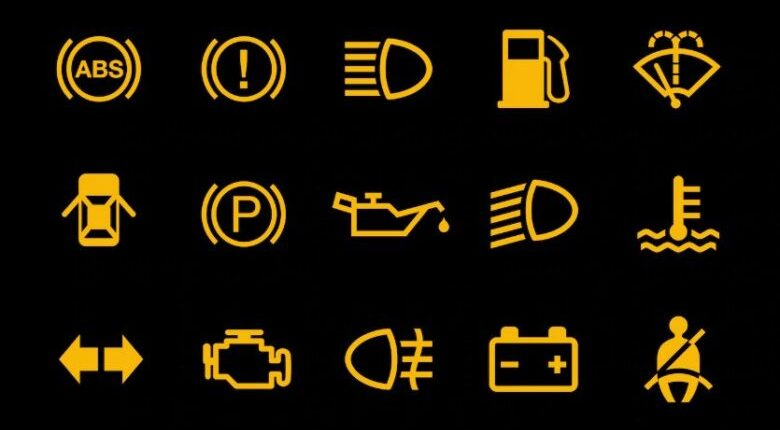
The check engine light is a common indicator of engine problems, but other warning lights can also provide valuable information.
- Check Engine Light: This light can indicate a wide range of problems, from a loose gas cap to a serious engine malfunction.
- Oil Pressure Light: This light indicates low oil pressure, which can cause serious engine damage.
- Temperature Light: This light indicates that your engine is overheating.
Other Engine Trouble Signs
Beyond noises, performance, and warning lights, other indicators can suggest engine issues.
- Excessive smoke: Blue smoke indicates burning oil, black smoke indicates burning too much fuel, and white smoke indicates burning coolant.
- Unusual smells: A burning oil smell, a sweet coolant smell, or a gasoline smell can all indicate engine problems.
- Difficulty starting: Difficulty starting can be caused by a weak battery, a faulty starter, or a problem with the fuel system.
Brake Trouble Signs
Your brakes are essential for safety, so it’s crucial to address any brake problems immediately. Here are some common brake trouble signs:
Squealing or Grinding Noises
These noises often indicate worn brake pads.
- Squealing: Squealing brakes usually indicate that the brake pads are worn and need to be replaced.
- Grinding: Grinding brakes indicate that the brake pads are completely worn down and the rotors are being damaged.
Pulling to One Side
If your car pulls to one side when you brake, it could indicate a problem with the brake calipers or brake lines.
Spongy or Soft Brake Pedal
A spongy or soft brake pedal can indicate air in the brake lines or a leak in the brake system.
Vibration When Braking
Vibration when braking can be caused by warped rotors.
Brake Warning Light
The brake warning light can indicate a low brake fluid level or a problem with the anti-lock braking system (ABS).
Transmission Trouble Signs
The transmission is responsible for transferring power from the engine to the wheels. Transmission problems can lead to poor performance and even complete vehicle failure. Here are some common transmission trouble signs:
Slipping Gears
Slipping gears occur when the transmission shifts out of gear unexpectedly.
Rough Shifting
Rough shifting can indicate a problem with the transmission fluid or the transmission itself.
Delayed Engagement
Delayed engagement occurs when there is a delay between shifting into gear and the car moving.
Unusual Noises
Unusual noises, such as whining, humming, or clunking, can indicate transmission problems.
Electrical Trouble Signs
Electrical problems can affect various systems in your car, from the lights to the engine. Here are some common electrical trouble signs:
Dim or Flickering Lights
Dim or flickering lights can indicate a weak battery or a problem with the charging system.
Dead Battery
A dead battery can be caused by a variety of factors, including leaving the lights on, a faulty alternator, or a parasitic drain.
Problems with Power Windows or Locks
Problems with power windows or locks can indicate a problem with the electrical system.
Blown Fuses
Blown fuses can indicate an electrical overload or a short circuit.
Warning Lights
Various warning lights, such as the battery light or the ABS light, can indicate electrical problems.
Common Car Trouble Signs and Potential Causes
| Sign | Potential Causes |
|---|---|
| Knocking Sound | Worn bearings, low oil pressure |
| Squealing Brakes | Worn brake pads |
| Slipping Gears | Low transmission fluid, worn transmission components |
| Dim Lights | Weak battery, faulty alternator |
| Check Engine Light | Various engine problems, sensor issues |
| Overheating | Low coolant, faulty thermostat, leaking radiator |
Preventive Maintenance: Avoiding Car Trouble
Regular maintenance is key to preventing car trouble. Here are some essential maintenance tasks:
Regular Oil Changes
Regular oil changes help keep your engine lubricated and prevent wear and tear.
Fluid Checks
Regularly check and top off all fluids, including engine oil, coolant, brake fluid, power steering fluid, and transmission fluid.
Tire Maintenance
Maintain proper tire pressure and rotate your tires regularly to ensure even wear.
Brake Inspections
Have your brakes inspected regularly to ensure they are in good working condition.
Tune-ups
Regular tune-ups can help keep your engine running smoothly and efficiently.
Ignoring these car trouble signs can lead to more significant damage and potentially put you and others at risk. Remember, early detection and proactive maintenance are key to keeping your car running smoothly and safely for years to come. If you notice any of these signs, don’t hesitate to consult with a qualified mechanic to diagnose and address the problem promptly.