What are winter tires used for? How to choose one?
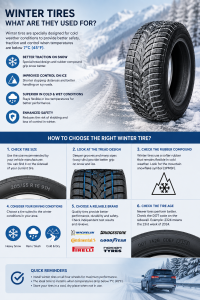
Winter tires are specifically designed to provide superior traction, grip, and control in cold weather, snow, ice, and slush. They are crucial for maintaining vehicle safety and performance when temperatures consistently drop below 45°F (7°C). These specialized tires offer significant advantages over all-season or summer tires in winter conditions. You...

Winter tires are specifically designed to provide superior traction, grip, and control in cold weather, snow, ice, and slush. They are crucial for maintaining vehicle safety and performance when temperatures consistently drop below 45°F (7°C). These specialized tires offer significant advantages over all-season or summer tires in winter conditions. You will find detailed tables and FAQs below.
- 1. What are Winter Tires Used For?
- 1.1. Enhanced Traction on Snow and Ice
- 1.2. Superior Grip in Cold Temperatures
- 1.3. Improved Braking Performance
- 1.4. Better Handling and Stability
- 1.5. Reduced Risk of Getting Stuck
- 2. How Winter Tires Work
- 2.1. Rubber Compound
- 2.2. Tread Pattern
- 2.3. Siping Technology
- 2.4. Microscopic Biting Edges
- 3. How to Choose a Winter Tire
- 3.1. Understanding Winter Tire Markings
- 3.2. Tire Compound and Flexibility
- 3.3. Tread Pattern Design
- 3.4. Tire Size and Fitment
- 3.5. Speed Rating
- 3.6. Studded vs. Studless Tires
- 3.7. When to Switch to Winter Tires
- 3.8. Installation: Always Use Four
- 4. Frequently Asked Questions (FAQs)
- 4.1. Q1: Are all-season tires good enough for winter driving?
- 4.2. Q2: How long do winter tires last?
- 4.3. Q3: Can I use winter tires in the summer?
- 4.4. Q4: What is the difference between M+S and 3PMSF markings?
- 4.5. Q5: Do I need to install winter tires on all four wheels?
What are Winter Tires Used For?
The primary purpose of winter tires is to enhance safety and performance during the challenging conditions of winter. They achieve this through several key design elements:
Enhanced Traction on Snow and Ice
Winter tires utilize a special rubber compound that remains flexible even in freezing temperatures. This pliability allows the tire to conform to the road surface, providing a much better grip than all-season tires, which tend to stiffen and harden in the cold. This increased traction is vital for starting, stopping, and cornering on slippery surfaces.

Superior Grip in Cold Temperatures
The “glass point” is the temperature at which a tire’s rubber compound hardens significantly. For all-season and summer tires, this point is reached well above freezing. Winter tires, however, are engineered with compounds that stay flexible at much lower temperatures, typically below 45°F (7°C). This flexibility ensures consistent grip and control, even on dry pavement when the temperature is low.
Improved Braking Performance
Studies show that winter tires can reduce braking distances by up to 30% compared to all-season tires in winter conditions. This is due to their specialized tread compounds and aggressive tread patterns, which allow them to grip the road more effectively and stop the vehicle faster.
Better Handling and Stability
The unique tread patterns of winter tires, featuring deeper grooves and numerous sipes (small slits), help to channel away slush, snow, and water. This prevents hydroplaning and maintains consistent contact with the road, leading to improved stability and control during turns and evasive maneuvers.
Reduced Risk of Getting Stuck
The aggressive tread design of winter tires is engineered to “bite” into snow and ice, providing the necessary grip to move through challenging conditions. This helps prevent the tires from becoming clogged with snow, which can turn them into slippery rollers.
How Winter Tires Work
The effectiveness of winter tires stems from a combination of their rubber composition and tread design.
Rubber Compound
Winter tires use a rubber compound with a higher natural rubber content and silica. This blend stays flexible in cold temperatures, allowing the tire to grip the road better. All-season tires use compounds that stiffen significantly in the cold, reducing their grip.
Tread Pattern
Winter tires feature deeper grooves and more aggressive tread patterns than all-season tires. These deeper grooves help to channel away snow, slush, and water, preventing hydroplaning and maintaining contact with the road. The tread blocks have numerous sipes, which are small slits that create extra biting edges for enhanced grip on snow and ice. Some winter tires also incorporate “bite particles” or silica-based micro-pore compounds for improved traction on wet or icy surfaces.
Siping Technology
Sipes are tiny slits within the tread blocks of winter tires. They act as thousands of tiny biting edges, significantly increasing grip on snow and ice. Sipes also help to expel water from the tire’s contact patch, reducing slush buildup and maintaining consistent traction.
Microscopic Biting Edges
Some advanced winter tires feature microscopic biting edges, which are tiny, jagged grooves on the tire’s surface. These microscopic features further enhance grip by literally biting into the ice and snow, providing superior traction.
How to Choose a Winter Tire
Selecting the right winter tire involves considering several factors to ensure optimal performance and safety for your specific driving needs.
Understanding Winter Tire Markings
Look for specific symbols on the tire’s sidewall to identify true winter tires:
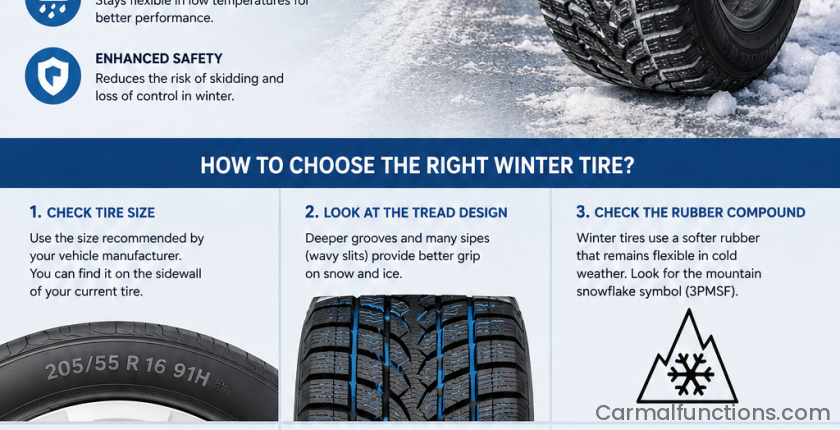
- 3PMSF (Three-Peak Mountain Snowflake) Symbol: This is the most reliable indicator of a tire’s performance in severe snow conditions. It signifies that the tire has passed standardized testing for winter traction.
- M+S (Mud and Snow) Symbol: While this marking indicates a tire is designed for mud and snow conditions, it does not require standardized winter performance testing. The 3PMSF symbol is a more stringent certification. Some regulations are phasing out M+S as sufficient for winter use, favoring the 3PMSF symbol.
Tire Compound and Flexibility
The rubber compound is critical. Winter tires must remain flexible in cold temperatures. Look for tires specifically formulated for cold weather performance, often indicated by their ability to stay pliable below 45°F (7°C).
Tread Pattern Design
Consider the tread pattern’s suitability for your typical winter conditions:
- Deeper Grooves: Essential for channeling snow and slush away from the tire.
- Aggressive Tread Blocks: Provide better grip on packed snow and ice.
- High Sipe Density: Increases biting edges for enhanced grip on ice and snow.
- Directional Tread Patterns: Often feature a V-shape to efficiently evacuate water and slush, reducing hydroplaning risk.
- Asymmetrical Tread Patterns: Combine different designs on the inner and outer edges for versatility in various winter conditions.
Tire Size and Fitment
Ensure the winter tires are the correct size for your vehicle. Check your owner’s manual or the tire placard on your driver’s side doorjamb for recommended tire sizes. Using the wrong size can affect vehicle handling, speedometer accuracy, and safety systems.
Speed Rating
Winter tires often have lower speed ratings (e.g., Q, R, S, T) compared to summer or all-season tires. These lower ratings are suitable for winter driving conditions where high speeds are less common and optimal grip is prioritized. A Q-rated tire, for example, has a maximum speed of 160 km/h (99 mph). While higher speed-rated tires offer better responsiveness in good conditions, their tread design might not provide optimal bite in deep snow. It’s generally recommended to match the speed rating of your original equipment tires, or at least ensure the winter tire’s rating is appropriate for your driving habits and vehicle.
Studded vs. Studless Tires
- Studless Winter Tires: These use advanced rubber compounds with microscopic pores to grip ice and wick away water. They are a good all-around choice for most winter driving conditions and are often preferred for their quieter ride and reduced road wear.
- Studded Winter Tires: These have metal studs that protrude from the tread for increased traction on hard-packed snow or ice. They offer superior grip on extremely icy surfaces but can be noisy, abrade pavement, and are restricted or banned in some regions.
When to Switch to Winter Tires
The general rule of thumb is to switch to winter tires when the average daily temperature consistently drops to or below 45°F (7°C). This is often around late autumn or early winter. It’s advisable to make the switch before the first snowfall to avoid busy service center lines and ensure preparedness. Conversely, switch back to all-season or summer tires in the spring when temperatures consistently rise above 45°F (7°C). Driving on winter tires in warmer temperatures can cause them to wear out faster and reduce their effectiveness for the next winter season.
Installation: Always Use Four
It is crucial to install winter tires in sets of four. Using only two winter tires can create a traction imbalance, leading to unpredictable handling and potentially dangerous situations, especially during braking or cornering.
Frequently Asked Questions (FAQs)
Q1: Are all-season tires good enough for winter driving?
All-season tires are designed as a compromise for year-round use. While they can handle light snow and occasional cold, they do not offer the same level of traction, grip, and braking performance as dedicated winter tires in severe cold, snow, or icy conditions. Their rubber compounds harden in freezing temperatures, significantly reducing their effectiveness. For consistent safety in winter climates, winter tires are recommended.
Q2: How long do winter tires last?
The lifespan of winter tires varies depending on the compound, tread design, and driving habits. Generally, the softer rubber compound used in winter tires can lead to faster wear, especially if used in warmer temperatures. Many drivers find they last for three to four winter seasons, or approximately 20,000 to 25,000 kilometers (12,000 to 15,000 miles). Some manufacturers offer treadwear warranties on certain winter tire models.
Q3: Can I use winter tires in the summer?
It is not recommended to use winter tires in the summer or warm weather. The soft rubber compound that provides excellent grip in the cold will become excessively soft in warmer temperatures, leading to accelerated wear, reduced fuel efficiency, and compromised handling. Using winter tires in summer is essentially throwing money away and diminishing their lifespan for the following winter.
Q4: What is the difference between M+S and 3PMSF markings?
The M+S (Mud and Snow) marking indicates that a tire is designed for mud and snow conditions based on the manufacturer’s criteria, but it does not require standardized testing for winter performance. The 3PMSF (Three-Peak Mountain Snowflake) symbol indicates that the tire has met stringent, standardized testing requirements for severe snow conditions and is a reliable indicator of true winter performance. For optimal winter safety, the 3PMSF symbol is preferred.
Q5: Do I need to install winter tires on all four wheels?
Yes, it is essential to install winter tires in a matching set of four. Installing them on only one axle can create a significant traction imbalance, negatively impacting the vehicle’s handling, stability, and braking capabilities, potentially leading to dangerous driving situations.
In conclusion, winter tires are a critical safety component for anyone driving in cold, snowy, or icy conditions. Their specialized rubber compounds, aggressive tread designs, and advanced technologies provide the enhanced traction, grip, and control necessary to navigate winter roads safely.