215 65 R 15 Tire Air Pressure
Understanding 215 65 R 15 Tire Air Pressure for Optimal Performance Maintaining the correct tire air pressure is crucial for the safety, performance, and longevity of your vehicle. When it comes to tires with the size designation 215 65 R 15, understanding the specific air pressure requirements is essential. This...

- 1. Understanding 215 65 R 15 Tire Air Pressure for Optimal Performance
- 1.1. Decoding the Tire Size: 215 65 R 15
- 1.2. The Importance of Correct Tire Air Pressure for 215 65 R 15 Tires
- 1.3. Determining the Ideal Air Pressure for Your 215 65 R 15 Tires
- 1.4. Recommended Air Pressure Ranges for 215 65 R 15 Tires
- 1.5. 215 65 R 15 Air Pressure Values Table
- 1.6. Factors Affecting 215 65 R 15 Tire Air Pressure
- 1.7. How to Check and Adjust 215 65 R 15 Tire Air Pressure
- 1.8. The Dangers of Underinflated 215 65 R 15 Tires
- 1.9. The Risks of Overinflated 215 65 R 15 Tires
- 1.10. Regular Maintenance Tips for 215 65 R 15 Tires
- 1.11. Common Myths About Tire Air Pressure
Understanding 215 65 R 15 Tire Air Pressure for Optimal Performance
Maintaining the correct tire air pressure is crucial for the safety, performance, and longevity of your vehicle. When it comes to tires with the size designation 215 65 R 15, understanding the specific air pressure requirements is essential. This comprehensive guide will explore everything you need to know about 215 65 R 15 tire air pressure, helping you make informed decisions for your vehicle.
Decoding the Tire Size: 215 65 R 15
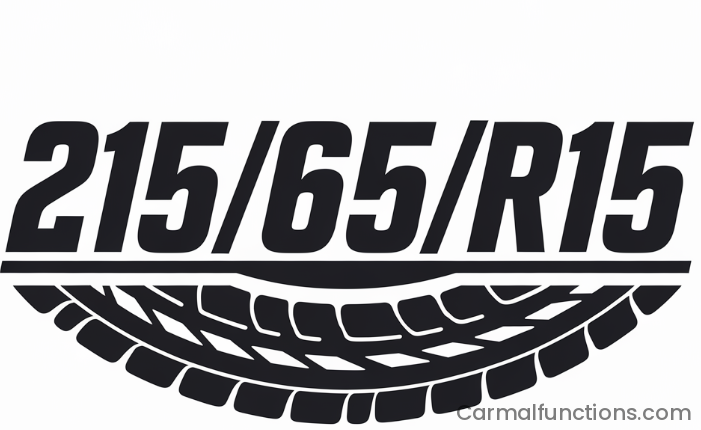
Before diving into air pressure, let’s break down what the “215 65 R 15” designation actually means: 215: This number represents the tire’s section width in millimeters. In this case, the tire is 215 millimeters wide. 65: This is the aspect ratio, which indicates the height of the tire’s sidewall as a percentage of its section width. Here, the sidewall height is 65% of 215 mm. R: This letter signifies that the tire has a radial construction. Radial tires are the most common type of tire used today. 15: This number represents the wheel diameter in inches. This tire is designed to fit a 15-inch wheel. Understanding these components is the first step towards properly maintaining your 215 65 R 15 tires.
The Importance of Correct Tire Air Pressure for 215 65 R 15 Tires
Maintaining the correct tire air pressure for your 215 65 R 15 tires is paramount for several reasons: Safety: Underinflated or overinflated tires can significantly compromise your vehicle’s handling and braking performance, increasing the risk of accidents. Fuel Efficiency: Properly inflated tires reduce rolling resistance, leading to improved fuel economy. Underinflated tires require more energy to roll, wasting fuel. Tire Life: Correct inflation ensures even wear across the tire’s tread, maximizing its lifespan. Underinflation causes the shoulders of the tire to wear prematurely, while overinflation causes the center to wear faster. Ride Comfort: Proper tire pressure contributes to a smoother and more comfortable ride.

Determining the Ideal Air Pressure for Your 215 65 R 15 Tires
Finding the ideal air pressure for your 215 65 R 15 tires involves a few key steps:
1. Check Your Vehicle’s Door Placard: The most reliable source of information is the sticker located on the driver’s side doorjamb or in the owner’s manual. This placard provides the recommended tire pressure specifically for your vehicle model.
2. Consult the Tire Sidewall: While the tire sidewall displays the maximum permissible pressure, it’s crucial to understand that this is not necessarily the recommended pressure for your vehicle. Always prioritize the vehicle manufacturer’s recommendation.
3. Consider Load and Driving Conditions: If you frequently carry heavy loads or drive in extreme conditions (e.g., very hot weather, towing), you may need to adjust the tire pressure slightly. However, never exceed the maximum pressure indicated on the tire sidewall.
Recommended Air Pressure Ranges for 215 65 R 15 Tires
While the specific recommended pressure varies by vehicle, a general range for 215 65 R 15 tires is typically between 30 and 35 PSI (pounds per square inch). Always refer to your vehicle’s door placard for the most accurate recommendation. Here’s a table illustrating typical pressure ranges:
215 65 R 15 Air Pressure Values Table
| Usage Status | Front Tire (PSI / Bar) | Rear Tire (PSI / Bar) |
|---|---|---|
| Normal Load (Summer) | 33 psi / 2.3 bar | 31 psi / 2.15 bar |
| Full Load (Summer) | 35 psi / 2.4 bar | 33 psi / 2.3 bar |
| Long Haul (Summer) | 34 psi / 2.35 bar | 32 psi / 2.2 bar |
| Normal Load (Winter) | 31 psi / 2.15 bar | 29 psi / 2.0 bar |
| Full Load (Winter) | 33 psi / 2.3 bar | 31 psi / 2.15 bar |
| Long Distance (Winter) | 32 psi / 2.2 bar | 30 psi / 2.1 bar |
Factors Affecting 215 65 R 15 Tire Air Pressure
Several factors can influence the air pressure in your 215 65 R 15 tires: Temperature: Air pressure decreases in cold weather and increases in hot weather. It’s essential to check and adjust your tire pressure seasonally. For every 10-degree Fahrenheit change in temperature, tire pressure changes by about 1 PSI. Altitude: Higher altitudes generally result in lower air pressure readings. Leaks: Slow leaks can cause a gradual decrease in tire pressure over time. Regularly inspect your tires for punctures or valve stem damage. Driving Style: Aggressive driving, such as hard braking and cornering, can increase tire temperature and pressure.
How to Check and Adjust 215 65 R 15 Tire Air Pressure
Checking and adjusting your 215 65 R 15 tire air pressure is a simple process:
1. Gather Your Supplies: You’ll need a reliable tire pressure gauge and an air compressor or a source of compressed air.
2. Check When Tires Are Cold: For the most accurate reading, check your tire pressure when the tires are cold, meaning they haven’t been driven on for at least three hours.
3. Remove the Valve Cap: Unscrew the valve cap on the tire valve stem.
4. Attach the Gauge: Press the tire pressure gauge firmly onto the valve stem until you get a reading.
5. Read the Pressure: Note the pressure reading on the gauge.
6. Inflate or Deflate: If the pressure is below the recommended level, use the air compressor to add air until you reach the desired PSI. If the pressure is too high, use the gauge to release air until you reach the correct level.
7. Recheck the Pressure: After inflating or deflating, recheck the pressure to ensure accuracy.
8. Replace the Valve Cap: Screw the valve cap back onto the valve stem.
9. Repeat for All Tires: Repeat the process for all four tires, including the spare tire if applicable.
The Dangers of Underinflated 215 65 R 15 Tires
Driving with underinflated 215 65 R 15 tires can lead to several problems: Reduced Fuel Economy: Underinflated tires increase rolling resistance, requiring your engine to work harder and consume more fuel. Increased Tire Wear: Underinflation causes the shoulders of the tire to wear prematurely, shortening the tire’s lifespan. Poor Handling: Underinflated tires can make your vehicle feel sluggish and less responsive, reducing handling and braking performance. Increased Risk of Blowout: Underinflated tires are more prone to overheating and blowouts, especially at high speeds.
The Risks of Overinflated 215 65 R 15 Tires
While less common than underinflation, overinflating your 215 65 R 15 tires also poses risks: Reduced Ride Comfort: Overinflated tires create a harsher and less comfortable ride. Increased Tire Wear: Overinflation causes the center of the tire to wear faster, reducing the tire’s lifespan. Poor Traction: Overinflated tires have a smaller contact patch with the road, reducing traction and potentially affecting braking and handling. Increased Risk of Damage: Overinflation makes the tire more susceptible to damage from impacts and road hazards.
Regular Maintenance Tips for 215 65 R 15 Tires
To ensure the longevity and performance of your 215 65 R 15 tires, follow these maintenance tips: Check Tire Pressure Monthly: Regularly check and adjust your tire pressure, especially with changes in temperature. Inspect Tires for Wear and Damage: Look for signs of uneven wear, cuts, bulges, or punctures. Rotate Tires Regularly: Rotate your tires every 5,000 to 7,000 miles to promote even wear. Balance Tires: Have your tires balanced periodically to prevent vibrations and ensure smooth driving. Align Wheels: Ensure your wheels are properly aligned to prevent uneven tire wear. Use Proper Tire Storage: If storing tires, keep them in a cool, dry, and dark place.
Common Myths About Tire Air Pressure
Several misconceptions surround tire air pressure. Here are a few common myths debunked: Myth: The pressure listed on the tire sidewall is the recommended pressure. Fact: The pressure on the sidewall is the maximum permissible pressure, not the recommended pressure for your vehicle. Myth: All tires should be inflated to the same pressure. Fact: The recommended tire pressure varies depending on the vehicle and tire size. Myth: You only need to check your tire pressure when the tire looks low. Fact: Regularly check your tire pressure, even if the tires appear to be properly inflated. By understanding the facts and dispelling these myths, you can ensure your 215 65 R 15 tires are properly maintained. Maintaining the correct air pressure in your 215 65 R 15 tires is a vital aspect of vehicle maintenance that directly impacts safety, fuel efficiency, tire life, and ride comfort. By following the guidelines outlined in this article, checking your tire pressure regularly, and adjusting it as needed, you can ensure optimal performance and a safe driving experience. Always prioritize the recommendations on your vehicle’s door placard and consult with a qualified tire professional if you have any questions or concerns.