Does Water Repellent Glass Coating Really Work?
Yes, water repellent glass coating really works by creating a hydrophobic surface that causes water to bead up and roll off, significantly improving visibility and reducing the need for frequent cleaning. These advanced coatings chemically bond with the glass at a microscopic level, forming an invisible barrier that repels water,...

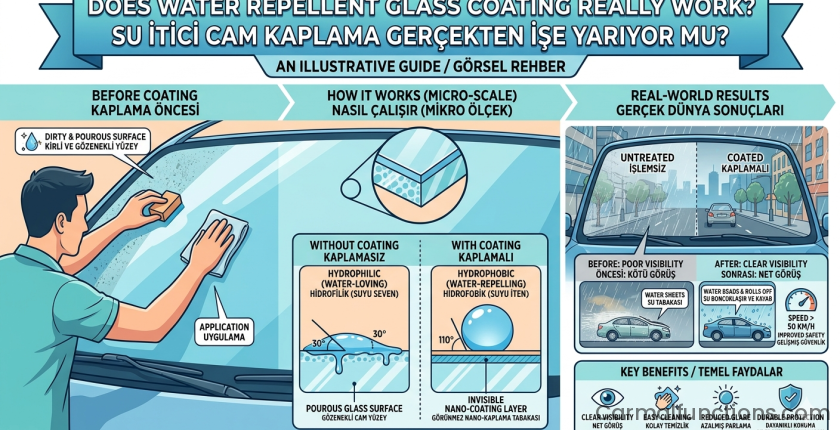
Yes, water repellent glass coating really works by creating a hydrophobic surface that causes water to bead up and roll off, significantly improving visibility and reducing the need for frequent cleaning. These advanced coatings chemically bond with the glass at a microscopic level, forming an invisible barrier that repels water, dirt, oil, and other contaminants. You will find detailed tables and FAQs below.
- 1. Understanding How Water Repellent Glass Coating Really Works
- 1.1. The Science Behind Hydrophobicity
- 1.2. Hydrophilic vs. Hydrophobic Coatings
- 2. Do Water Repellent Glass Coatings Really Work for Automotive Use?
- 2.1. Enhanced Visibility and Safety
- 2.2. Reduced Wiper Usage and Wear
- 2.3. Resistance to Contaminants
- 2.4. Durability and Longevity in Automotive Applications
- 2.5. Application and Ease of Use
- 3. Do Water Repellent Glass Coatings Really Work for Home and Commercial Use?
- 3.1. Reduced Maintenance and Easier Cleaning
- 3.2. Preventing Stains and Damage
- 3.3. Enhanced Aesthetics and Clarity
- 3.4. Longevity of Glass Surfaces
- 3.5. Applications in Large-Scale Projects
- 4. Types of Water Repellent Glass Coatings
- 4.1. DIY vs. Professional Coatings
- 4.2. Silicone-Based vs. Ceramic/Nano-Coatings
- 5. Benefits of Water Repellent Glass Coating
- 6. Potential Drawbacks and Considerations
- 7. Frequently Asked Questions (FAQs)
- 7.1. Q1: Do water repellent glass coatings truly make glass “self-cleaning”?
- 7.2. Q2: How long does a water repellent glass coating typically last?
- 7.3. Q3: Can I apply a water repellent coating myself, or do I need a professional?
- 7.4. Q4: Will a water repellent coating damage my glass or wiper blades?
- 7.5. Q5: Are there any alternatives to water repellent glass coatings?
- 8. Conclusion
Understanding How Water Repellent Glass Coating Really Works
The effectiveness of water repellent glass coating hinges on a scientific principle known as hydrophobicity. The term “hydrophobic” literally means “water-fearing.” Coatings designed with this property create a surface with significantly reduced surface energy. This low surface energy causes water droplets to maintain a spherical shape instead of spreading out. As a result, water beads up and rolls off the glass surface easily, taking dirt and debris with it. This phenomenon is often compared to the natural “lotus effect.”
These coatings work by chemically bonding to the glass at a microscopic level. They fill in the natural peaks and valleys of the glass surface, creating an ultra-thin, invisible shield. This shield alters how liquids interact with the glass. Untreated glass has high surface energy, causing water to cling and spread. Hydrophobic coatings create a low-surface-energy barrier, resulting in a high contact angle between water droplets and the glass. A higher contact angle means less contact between the water and the glass, facilitating easier runoff.
The materials used in these coatings often include silicon derivatives like siloxane or silica substances. Some advanced formulations utilize nanotechnology to create a durable and long-lasting barrier. This chemical bonding ensures the coating becomes part of the glass surface, offering greater durability than temporary topical treatments like waxes.
The Science Behind Hydrophobicity
Surface energy is a fundamental property that dictates how liquids interact with solid materials. Untreated glass possesses high surface energy, which attracts water, causing it to spread out and increase the contact area. This spreading allows water to adhere to the surface, leading to water spots and making cleaning more difficult.
Hydrophobic coatings work by lowering the glass surface’s energy. They form a nanoscale layer of molecules with water-repellent properties. This process creates a high contact angle. The higher the contact angle, the more rounded the water droplet, the less it adheres, and the easier it rolls off. This principle is crucial for the performance of water repellent glass coating.
Hydrophilic vs. Hydrophobic Coatings
It’s important to distinguish between hydrophobic and hydrophilic coatings. While hydrophobic coatings repel water, hydrophilic coatings attract it, causing water to spread into a thin, uniform film. For applications where water needs to bead and roll off, such as automotive windshields, hydrophobic coatings are preferred.
Do Water Repellent Glass Coatings Really Work for Automotive Use?
Yes, water repellent glass coatings are highly effective for automotive use, particularly on windshields. They significantly enhance driving safety and comfort, especially in adverse weather conditions.
Enhanced Visibility and Safety
During rain, snow, or sleet, water droplets on a windshield can distort lights and reduce visibility, increasing the risk of accidents. Hydrophobic coatings cause water to bead up and roll off rapidly, maintaining clear visibility even in heavy rain. This improved visibility is especially critical during night driving. The faster water rolls off, the less the driver’s vision is impaired.
Furthermore, these coatings can reduce the response time needed by drivers in wet conditions, contributing to overall road safety. By helping water to stream away from the windows, they provide a clearer view, allowing drivers to react more quickly to changing road conditions.
Reduced Wiper Usage and Wear
With a properly treated windshield, water beads and rolls off at higher speeds, sometimes eliminating the need for wipers altogether. This reduces the reliance on windshield wipers, which in turn can extend their lifespan. Less frequent use means less wear and tear on the wiper blades.
Resistance to Contaminants
The hydrophobic properties that repel water also make it harder for other contaminants to adhere to the glass. This includes dirt, road grime, bug splatter, and even ice. The smooth, low-energy surface prevents these substances from sticking, making them easier to wash away. This self-cleaning effect helps keep windshields cleaner for longer periods.
Durability and Longevity in Automotive Applications
The durability of automotive water repellent glass coatings varies. Some temporary treatments, like certain Rain-X products, may only last a few weeks or months and require frequent reapplication. More advanced ceramic or nano-engineered coatings can offer protection for much longer periods, ranging from several months to over a year, and some professional-grade applications claim up to 5 years of durability.
However, factors like wiper usage, environmental conditions, and cleaning methods can affect longevity. For instance, heavy use of windshield wipers can reduce the lifespan of the coating on the primary wipe zone. Ceramic coatings generally offer more durability than silicone-based ones.
Application and Ease of Use
Application methods vary. Some products are simple sprays that require wiping, while others necessitate multiple coats and buffing. Professional-grade coatings often require specialized application by trained technicians for optimal results. DIY kits are available, but proper surface preparation is crucial for effective bonding and longevity.
Do Water Repellent Glass Coatings Really Work for Home and Commercial Use?
Absolutely. Water repellent glass coatings are also highly beneficial for residential and commercial buildings, offering significant advantages in maintenance, aesthetics, and longevity.
Reduced Maintenance and Easier Cleaning
One of the primary benefits of applying hydrophobic coatings to home and commercial windows is the dramatic reduction in cleaning frequency and effort. The water-repellent surface causes dirt, dust, grime, and hard water spots to bead up and roll off with rain or a simple rinse. This makes cleaning significantly easier, often requiring just water and a microfiber cloth instead of harsh chemical cleaners.
Preventing Stains and Damage
Untreated glass is susceptible to water spots, mineral deposits, and environmental pollutants that can cause etching and permanent damage over time. Hydrophobic coatings act as a protective barrier, preventing these contaminants from bonding to the glass surface. This is particularly valuable for shower doors, where hard water and soap scum can quickly build up and cause unsightly stains.
Enhanced Aesthetics and Clarity
By repelling water and preventing stains, these coatings help maintain the pristine appearance of glass surfaces. This leads to clearer views and an enhanced aesthetic appeal for buildings, whether they are skyscrapers, commercial properties, or homes. The glass remains clearer for longer periods, contributing to the overall visual quality of the structure.
Longevity of Glass Surfaces
The protective barrier provided by hydrophobic coatings helps to preserve the integrity of the glass surface, extending its lifespan. By shielding the glass from water damage, mineral deposits, and environmental wear, these coatings can reduce the need for costly replacements.
Applications in Large-Scale Projects
In large-scale projects, such as skyscrapers, airports, and transportation hubs, maintaining large expanses of glass is a significant challenge. Hydrophobic coatings are essential in these settings to reduce maintenance costs and ensure consistent clarity and appearance. They are applied to high-rise buildings, commercial properties, and transportation terminals to keep glass surfaces clear and attractive.
Types of Water Repellent Glass Coatings
Several types of coatings are available, each with varying properties and durability:
DIY vs. Professional Coatings
DIY Coatings: These are generally easier to apply and more affordable. Products like Rain-X, Invisible Glass Clean & Repel, and various nano-based liquid coatings fall into this category. Their effectiveness and longevity can vary, with some lasting weeks to months, while others, like EnduroShield Home Glass Treatment, can last up to three years.
Professional-Grade Coatings: These are often applied by trained technicians and offer superior durability and performance. Products like Diamon-Fusion® and Clear-Fusion™ V are examples. They chemically bond with the glass and can last for several years, with some offering limited lifetime warranties.
Silicone-Based vs. Ceramic/Nano-Coatings
Silicone-Based Coatings: These are typically water-based and easy to apply, offering a temporary water-repellent effect. However, they tend to wear off relatively quickly, often within days or weeks, and do not offer significant surface protection. Rain-X is a well-known example.
Ceramic and Nano-Coatings: These advanced coatings utilize nanotechnology and often involve ceramic particles. They form stronger chemical bonds with the glass surface and offer greater durability and resistance to environmental factors. They can provide protection for months to several years, depending on the specific product and application.
Benefits of Water Repellent Glass Coating
- Improved Visibility: Crucial for driving safety, especially in rain or snow.
- Reduced Maintenance: Less frequent cleaning required due to water and dirt repellency.
- Easier Cleaning: Water and dirt bead up and roll off, simplifying the cleaning process.
- Stain Prevention: Helps prevent hard water spots, mineral deposits, and grime buildup.
- Enhanced Aesthetics: Keeps glass surfaces looking cleaner and clearer for longer.
- Increased Longevity: Protects glass from environmental damage, potentially extending its lifespan.
- Resistance to Contaminants: Repels not only water but also dirt, oil, bugs, and ice.
- Reduced Wiper Wear: Less reliance on wipers can extend their lifespan.
Potential Drawbacks and Considerations
While water repellent glass coatings offer numerous advantages, there are a few potential drawbacks and factors to consider:
- Durability Varies: The lifespan of coatings can differ significantly. Some DIY sprays offer short-term protection (weeks to months), while professional or ceramic coatings last longer (months to years).
- Application Sensitivity: Proper surface preparation is crucial for effective bonding and longevity. Incorrect application can lead to reduced performance or premature failure.
- Abrasion and Wear: Constant abrasion, such as from windshield wipers, can diminish the coating over time.
- Cost: High-performance or professional-grade coatings can be more expensive upfront than temporary solutions.
- Night Glare and Wiper Chatter: In some cases, hydrophobic layers can refract light on uneven glass, potentially causing minor night glare. Wiper chatter can also occur with certain glass curvatures or blade combinations.
- Not Truly “Self-Cleaning”: While they reduce maintenance, these coatings do not eliminate the need for cleaning altogether. Periodic maintenance is still required.
- Chemical Sensitivity: Some coatings can be removed by high-pH cleaning materials.
Frequently Asked Questions (FAQs)
Q1: Do water repellent glass coatings truly make glass “self-cleaning”?
While often referred to as “self-cleaning,” these coatings don’t eliminate the need for maintenance entirely. They significantly reduce the frequency and effort required for cleaning by repelling water and dirt, which then bead up and roll off, taking contaminants with them. However, periodic rinsing or cleaning may still be necessary for optimal performance and appearance.
Q2: How long does a water repellent glass coating typically last?
The lifespan varies greatly depending on the type of coating, application quality, and environmental exposure. DIY sprays might last a few weeks to months, while professional-grade ceramic or nano-coatings can last from several months to several years. Factors like wiper usage, weather conditions, and cleaning methods influence durability.
Q3: Can I apply a water repellent coating myself, or do I need a professional?
Many effective DIY options are available, ranging from simple sprays to more durable nano-coatings. However, professional-grade coatings often provide superior longevity and performance due to specialized application techniques and formulations. For the longest-lasting results, professional application is often recommended.
Q4: Will a water repellent coating damage my glass or wiper blades?
When applied correctly and with compatible wiper blades, water repellent coatings generally do not damage glass. However, aggressive cleaning or incompatible wiper blade materials could potentially affect the coating over time. The reduced need for wiper usage can actually prolong wiper blade life.
Q5: Are there any alternatives to water repellent glass coatings?
Alternatives include traditional glass cleaners, waxes (which offer very short-term repellency), and regular manual cleaning. However, none of these provide the same level of sustained water repellency, ease of cleaning, and protective benefits as a dedicated hydrophobic coating.
Conclusion
In conclusion, water repellent glass coating really works and offers substantial benefits for both automotive and architectural applications. By harnessing the principles of hydrophobicity, these coatings create an invisible barrier that repels water and contaminants, leading to significantly improved visibility, reduced maintenance, and enhanced protection for glass surfaces. While the durability and effectiveness can vary based on the product type and application, the advancements in ceramic and nano-technology have led to long-lasting solutions that make cleaning easier and driving safer. Whether for your car’s windshield or your home’s windows, a quality water repellent glass coating is a worthwhile investment for maintaining clarity, reducing effort, and preserving the integrity of your glass.